Medical Disclaimer: This content is for informational purposes only. Consult a qualified healthcare professional.

Most weeknight dinners need a plan, a decent pan, and more time than you actually have. Salmon bake recipes fix that. They go in the oven, cook in about twenty minutes, and land on the plate with more protein and less fuss than most dinner ideas.
Cooked farmed Atlantic salmon supplies about 206 calories and 22.1 grams of protein per 100 grams, with no carbohydrate at all, according to USDA FoodData Central. That is the base these salmon bake recipes build on: a lean, filling centerpiece that works with whatever vegetables and grains you already keep in the fridge.
Below you will find seven salmon bake recipes built for busy kitchens, plus the timing, temperature, and storage details that decide whether the fish stays moist. Every number in this guide comes from the FDA, the NIH, the American Heart Association, the EPA, or the USDA.
Table of Contents
Why Salmon Fits a Weight Loss Plate
The case for salmon starts with protein density. Cooked farmed Atlantic salmon carries 22.1 grams of protein per 100 grams, and wild Atlantic salmon carries 25.4 grams in the same weight, according to USDA FoodData Central. Both numbers sit far above what an equal portion of most red meat offers.
Protein matters on a weight loss plate because it is the nutrient most often missing, and missing protein shows up as hunger two hours later. The American Heart Association describes a serving as 3 ounces cooked, roughly three quarters of a cup of flaked fish, and recommends two servings of fish per week.
Those omega-3 fats arrive as EPA and DHA, which the body cannot manufacture in useful amounts on its own. The NIH Office of Dietary Supplements reports that conversion of plant-based ALA into EPA runs below 15 percent, so eating the fish itself is the practical route.
A 3-ounce cooked serving of farmed Atlantic salmon carries 1.24 grams of DHA and 0.59 grams of EPA. Wild Atlantic salmon, cooked, delivers 1.22 grams of DHA and 0.35 grams of EPA in that same portion.
That nutrient profile is why so many salmon bake recipes pair the fish with vegetables instead of heavy sauces. The calorie budget stays modest, the plate stays colorful, and nothing on the shopping list requires a special trip to the store.
Satiety is the quiet reason these salmon bake recipes work so well in a weight loss plan. A protein-rich fish with a vegetable side fills the plate, and the fat from the fish takes the edge off hunger without pushing the calorie count up.
The American Heart Association also notes that fish is a good source of protein without the saturated fat found in fatty meat. For anyone weighing salmon bake recipes against a burger, that is the headline number.
Choosing the Right Salmon Fillet
You will meet three common choices at the counter: Atlantic, king, and sockeye. Atlantic is the mildest and the easiest to bake for beginners. King carries more fat and a deeper flavor, and sockeye sits in the middle with a firmer texture that holds up well to high heat.
Farmed or wild is the next question. Farmed Atlantic salmon is the value pick with more fat and more omega-3 per serving, while wild salmon is leaner at 182 calories and 25.4 grams of protein per 100 grams. Either one works in these salmon bake recipes, and the oven behaves the same for both.
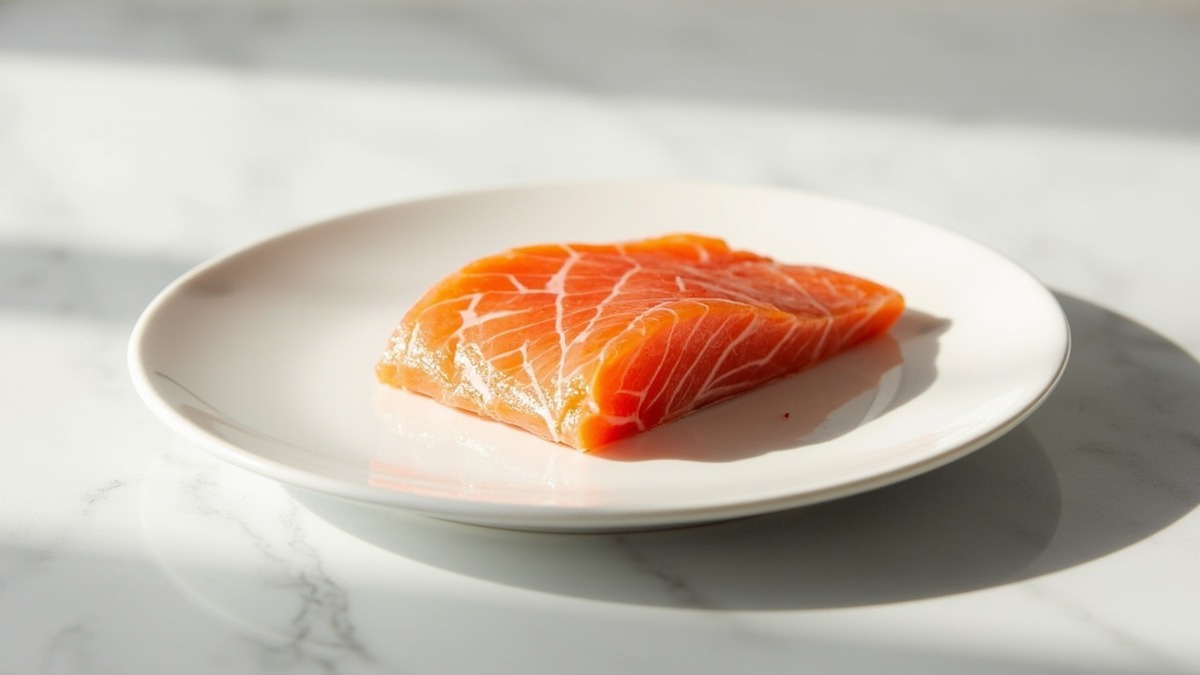
Freshness is easier to judge than most shoppers expect. Look for firm flesh that springs back when you press it, a translucent sheen, and a smell that reads clean rather than fishy. Color alone tells you very little about a fillet.
Frozen is a perfectly good route too. The FDA guidance on safe food handling is clear on this: thaw seafood overnight in the refrigerator, and never on the counter.
Buy for the week, not the month. Fresh seafood keeps one to two days in the fridge, so a smart shopping trip means picking up two fillets and cooking them back to back across the salmon bake recipes in this guide.
If a fillet tastes too strong to you, soak it for ten minutes in milk and then rinse it. It is an old kitchen trick, and it takes the edge off any fish you find too strong in the salmon bake recipes lineup.
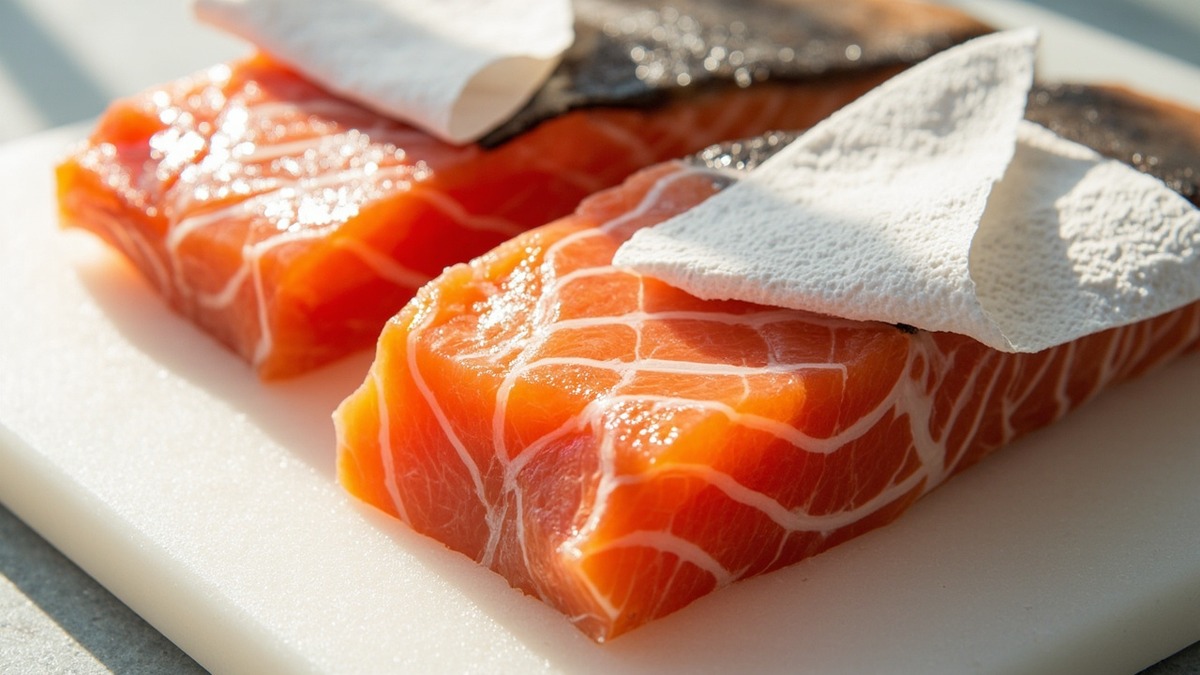
Set the fillet skin-side down on a lined sheet pan. That placement keeps the flesh moist during the bake and lets you lift the skin away afterward if you want a lighter plate. Pat the fillet dry before it goes in the oven, because surface moisture is what turns a clean bake into a steamed one.
The 7 Salmon Bake Recipes
Each of these salmon bake recipes lists the cook time, the oven temperature, and the one technique that decides the outcome. Read the timing guide in the next section before you start, because the thickness of your fillet changes everything.
1. Lemon Herb Salmon Bake
Start here if you are cooking salmon for the first time. The seasoning is four ingredients, and the oven does the rest of the work while you clean the kitchen.
Coat the fillet with olive oil, then press on salt, black pepper, dried dill, and lemon zest. The zest carries more aroma than the juice because the oil pulls the citrus oils into the flesh while it cooks.
Bake at 400 degrees Fahrenheit for roughly 8 to 10 minutes per inch of thickness, then check with a thermometer. Pull the fish the moment the center reaches 145 degrees and the flesh separates easily with a fork.
- 1-pound salmon fillet, skin on
- 2 tablespoons olive oil
- 1 tablespoon lemon zest
- 1 teaspoon dried dill
- Salt and black pepper to taste
Serve it with a green salad and a squeeze of extra lemon. This is the version of the salmon bake recipes that converts the most beginners, because the seasoning does all the work.
2. Garlic Butter Salmon with Broccoli
This is the fastest of the salmon bake recipes because the broccoli roasts on the same pan and finishes at the same time as the fish. One sheet, one oven, one wash up.
Cut the broccoli into small florets and toss them with olive oil, salt, and a cut of garlic. Spread them around the salmon so they cook in the hot fat, not in steam.
Melt a tablespoon of butter and spoon it over the fillet in the final three minutes of cooking. The butter browns slightly in the oven and becomes a sauce you can pour over the vegetables too.
- 1-pound salmon fillet
- 3 cups broccoli florets
- 2 tablespoons olive oil, divided
- 1 tablespoon butter
- 3 garlic cloves, thinly sliced
The whole pan goes into the oven at once, which keeps the cleanup under a minute. Among the salmon bake recipes here, it is the one that scales best for a family of four.
3. Miso Maple Glazed Salmon
For readers who think fish should not be savory only, this version lands between sweet and salty. It is the most popular of the salmon bake recipes for weeknights because the glaze does all the work.
Stir two tablespoons of white miso with one tablespoon of maple syrup and a teaspoon of rice vinegar until smooth. Brush it over the salmon during the last five minutes of baking, not before, because sugar burns early.
Watch the glaze in the final minutes. It should turn glossy and darken slightly at the edges. If it looks done but the fish still feels soft in the center, give it two more minutes rather than more glaze.
- 1-pound salmon fillet
- 2 tablespoons white miso
- 1 tablespoon maple syrup
- 1 teaspoon rice vinegar
- 1 teaspoon toasted sesame seeds
Save the leftover glaze in a jar and brush it onto roasted vegetables later in the week. The salmon bake recipes in this group also freeze well once the glaze has set.
4. Blackened Salmon with Corn and Peppers
You get restaurant-style results at home with a cast iron pan and a fifteen minute seasoning step. The spice crust forms a dark shell that keeps the inside of these salmon bake recipes moist.
Mix paprika, garlic powder, onion powder, dried thyme, cayenne, salt, and black pepper in a shallow bowl. Press the mix onto both sides of the fillet, then let it sit for fifteen minutes so it sticks to the surface.
Set the pan under a hot broiler for two minutes, then move it to a 400 degree oven for the remaining cook time. The top browns fast, so keep an eye on it from the start.
- 1-pound salmon fillet
- 2 tablespoons olive oil
- 2 teaspoons smoked paprika
- 1 teaspoon garlic powder
- 1 teaspoon cayenne pepper
Cast iron holds heat better than a sheet pan, so give the fish two extra minutes if your pan runs cool. That single adjustment is what separates good salmon bake recipes from great ones.
5. Tomato Olive Salmon Bake
This is the lightest of the salmon bake recipes, with no butter and no heavy glaze. The tomato and olives cook down into a warm sauce that carries the fish without weighing it down.
Spread a cup of cherry tomatoes, a handful of pitted olives, and half a sliced red onion over a sheet pan. Nestle the seasoned fillet on top so the fish sits in the juices rather than on dry foil.
Bake at 425 degrees Fahrenheit for about 8 minutes per inch. The tomatoes burst and release liquid, so the fish ends up gently poached in a Mediterranean style sauce.
- 1-pound salmon fillet
- 1 cup cherry tomatoes, halved
- 1/2 cup pitted kalamata olives
- 1/2 red onion, sliced
- 2 tablespoons olive oil
The sauce at the bottom of the pan is worth eating with a spoon. Across the salmon bake recipes here, this one gives you the most leftovers for the least effort.
6. Yogurt Herb Salmon Bake
Yogurt keeps the surface of the fish soft and gives you a sauce with no added fat. It is the version of these salmon bake recipes that works best when you cook from frozen.
Stir plain Greek yogurt with chopped dill, a squeeze of lemon, a little garlic, and salt. Spoon it over the fillet in the last eight minutes of baking so it sets without splitting.
Set the pan on a rack above the oven floor if you can. Any water that collects under the fish drains away instead of pooling, and the top stays crisp.
- 1-pound salmon fillet
- 1/2 cup plain Greek yogurt
- 2 tablespoons chopped fresh dill
- 1 tablespoon lemon juice
- 1 garlic clove, minced
Greek yogurt adds a little extra protein and keeps the fat content low. That balance is why this one sits well next to the richer sauces in the salmon bake recipes above.
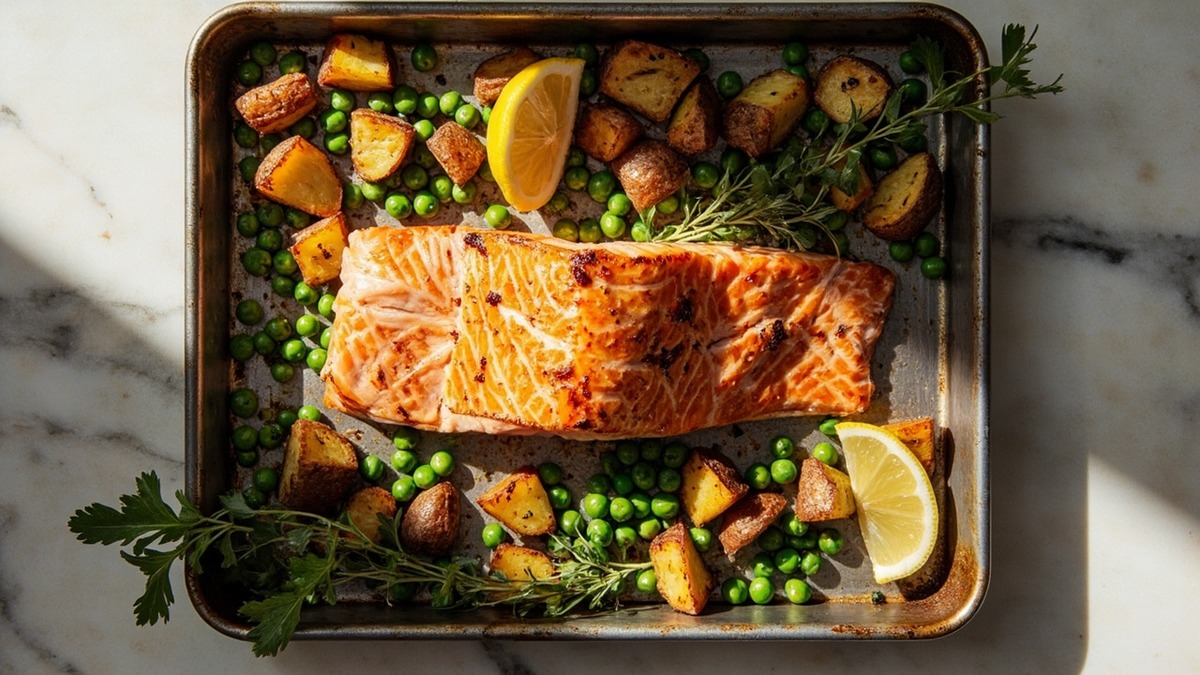
7. Salmon Bake with Potatoes and Peas
This is the comfort option, and it is the one that solves the question of what to serve with the fish. The potatoes roast in the same pan and soak up the flavor from the salmon.
Boil small potatoes until they are half done, then spread them on the sheet pan with oil, salt, and pepper. Nestle the fillet among them and add frozen peas in the last fifteen minutes so they stay bright.
Drizzle the finished pan with olive oil and a little lemon juice. The potatoes come out crisp on the bottom and tender in the middle, which is why this is the most forgiving of the salmon bake recipes.
- 1-pound salmon fillet
- 1 pound baby potatoes, halved
- 1 cup frozen peas
- 3 tablespoons olive oil
- 1 lemon, cut into wedges
Double the potatoes if you are feeding people with bigger appetites. It is the most filling of the salmon bake recipes, and it costs you nothing extra in effort.
Oven Temperature and Timing Guide
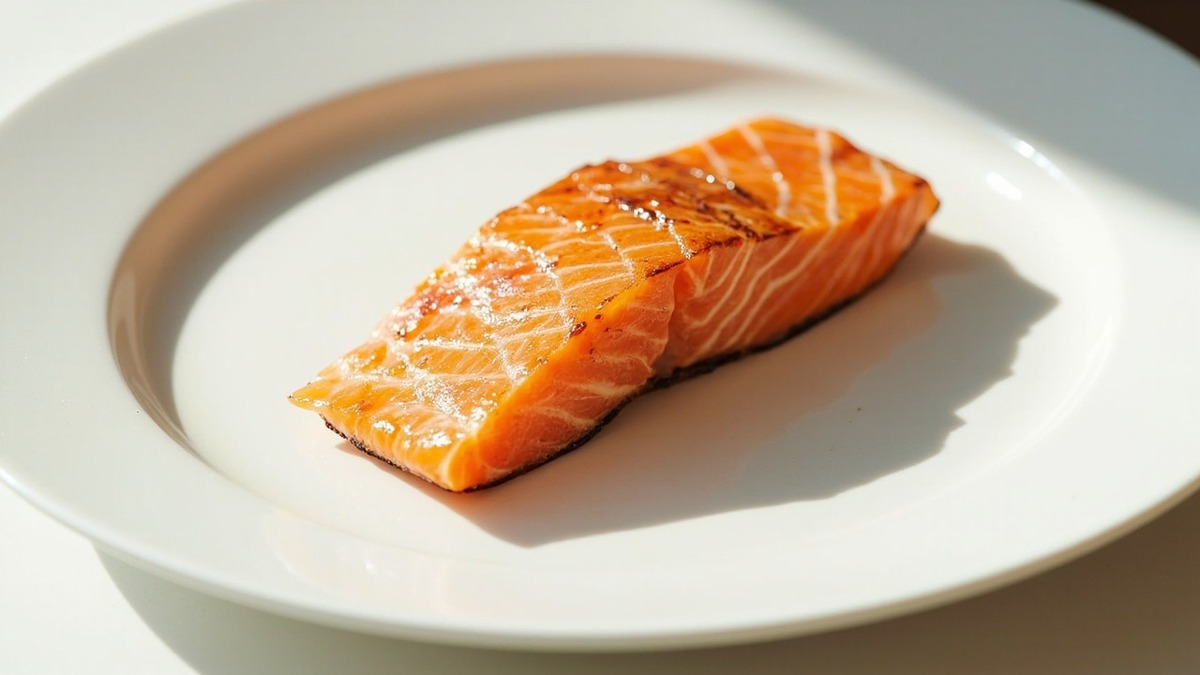
Timing is where most salmon bake recipes go wrong, and thickness is the reason. A 1-inch fillet and a 1.5-inch fillet are not the same cook, even when they share the same oven and the same timer.
Here is the practical rule for a home oven. At 350 degrees Fahrenheit you need about 12 to 15 minutes per inch of thickness, at 375 about 10 to 12, at 400 about 8 to 10, at 425 about 6 to 8, and at 450 about 5 to 7.
Food Network Kitchen reports that a fillet baked at 425 degrees Fahrenheit is usually ready after 15 to 18 minutes, depending on size and oven consistency. Their recipe developers suggest checking at the 15 minute mark with an instant read thermometer.
The FDA sets the safe minimum internal temperature for fin fish at 145 degrees Fahrenheit, or the point where the flesh turns opaque and separates easily with a fork. Color and texture alone are unreliable indicators of safety, so a thermometer is the only real test.
Pull the fish a few degrees below the target if you like it moist, because carryover heat finishes the cook while the fish rests. A rest of three to five minutes after the oven does more for texture than any amount of careful timing.
A convection oven runs cooler than the dial you set on a standard oven, so lower the temperature and check ten minutes early. Timer settings are a guide, and the thermometer is the answer.
Thicker pieces also need more time at the edges than the center. Pulling the fish at 145 degrees and letting it rest means the middle catches up without the outside drying out, which is the trick behind every reliable set of salmon bake recipes.
For the leanest result, keep the skin on and serve it. For a milder flavor, raise the oven temperature by 25 degrees and cut the cook time by about a minute per inch.
Seasonings, Swaps and Pantry Shortcuts
Good salmon bake recipes rely on a short ingredient list. Salt, pepper, fat, and acid cover most of the work, and everything else is a variation on that base.
Keep a lemon, a lime, a head of garlic, olive oil, and a small jar of dried dill within reach. Those five items handle the seasoning for nearly every recipe in this guide, and they keep for weeks in a cool kitchen.
Swap dill for parsley, chives, or oregano when you want a different direction. Replace maple syrup with honey or brown sugar in the glaze, and use rice vinegar in place of lemon juice whenever you want a sharper edge.
For a lower sodium version, skip the salted olives and the broth used in some sauces. Lemon, garlic, and smoked paprika bring the same savory depth without adding a pinch of salt.
Frozen vegetables are the fastest shortcut available. Frozen broccoli, peas, and peppers roast well, hold their texture, and skip the washing and chopping that usually ends a cooking session.
Mix the seasoning for several fillets in one bowl and coat them the night before. That small shortcut is what makes a week of salmon bake recipes realistic for a family that cooks once and eats twice.
A spoon of Dijon mustard in the glaze or the yogurt topping adds depth with only a few calories. Small additions like that are what keep salmon bake recipes from tasting flat.
If you want to keep the calorie count low, choose the herb, yogurt, or tomato versions over the butter and blackened options. The differences between the salmon bake recipes here are smaller than most people expect.
Serving the Fish on a Calorie Budget
Portion size decides the rest of the plate. Mayo Clinic describes a serving as 4 ounces raw or 3 ounces cooked, which is about the size of a deck of cards.
Build the rest of the plate around the fish rather than on top of it. Half the plate as vegetables, a quarter as a whole grain or starchy vegetable, and the salmon as the protein sets a portion without counting a single calorie.
If you want to keep the meal lighter, pair the fish with a large salad and a spoon of plain yogurt on the side. If you need more energy, add potatoes or brown rice, which fits the one pan method used in the seventh of the salmon bake recipes.
Keep the same plate when you eat out. A 3 ounce serving of salmon with vegetables on the side and the sauce on the side is the same structure that makes these salmon bake recipes work at home.
For the rest of your week, our guide to high fiber dinner recipes and to high protein breakfasts for weight loss covers the other meals that surround this one.
Storing and Reheating Leftovers
Leftover fish has a short window. The FDA refrigerator and freezer storage chart lists cooked fish at 3 to 4 days refrigerated and 4 to 6 months in the freezer for quality.
Refrigerate within two hours of cooking, or within one hour if the room sits above 90 degrees Fahrenheit. Divide large portions into shallow containers so they cool quickly in the fridge.
Reheat leftovers until the center reaches 165 degrees Fahrenheit, which is the FDA safe minimum for leftovers and casseroles. A microwave works well with a damp paper towel over the fish, and a low oven works well for a larger piece.
You can also cook salmon straight from frozen. Set the fillet on the sheet pan, run the oven at 425 degrees Fahrenheit, and give it about 50 percent more time than a thawed piece needs. The texture softens slightly, so the butter and glaze versions of these salmon bake recipes suit it best.
Freeze raw fillets in a single layer first, then stack them once they are solid. Portioning salmon bake recipes before you cook saves the ten minutes you would lose thawing the wrong size on a busy night.
One note on frequency. Salmon sits on the FDA and EPA “Best Choice” list for low mercury, with an average concentration of 0.02 parts per million for fresh and frozen salmon. Adults who are pregnant or breastfeeding should keep to 8 to 12 ounces of seafood per week, and children need smaller portions.
Frequently Asked Questions
How long should I bake salmon at 400 degrees?
Plan on about 8 to 10 minutes per inch of thickness at 400 degrees Fahrenheit, then confirm with a thermometer. A 1-inch fillet usually needs 8 to 10 minutes, and a thicker piece needs closer to 12. The safe minimum internal temperature is 145 degrees Fahrenheit.
Do I need to remove the skin before baking?
No, and you should leave it on. The skin shields the flesh from direct heat, which helps the salmon bake recipes stay moist. You can lift it off after cooking, and it releases easily once the flesh has cooked through.
Can I bake salmon from frozen?
Yes. Bake it at 425 degrees Fahrenheit and add about half again to the cooking time, or thaw it overnight in the refrigerator if you prefer a firmer texture. Never thaw fish on the counter, according to FDA guidance on safe food handling.
What temperature keeps salmon from drying out?
Lower temperatures cook more gently. At 350 degrees Fahrenheit, plan on 12 to 15 minutes per inch, which gives the flesh more time to relax. Removing the fish a few degrees early and letting it rest also protects the texture.
How many times a week should I eat salmon?
The American Heart Association recommends two servings of fish per week, with a serving at 3 ounces cooked. People who are pregnant or breastfeeding should stay within 8 to 12 ounces of seafood per week from low mercury choices, and salmon is one of them.
Is salmon better than chicken for weight loss?
Salmon has more fat than chicken breast, but it is unsaturated fat, and it carries a large amount of protein per calorie. A 3-ounce cooked serving gives you roughly 19 grams of protein, so the protein to calorie comparison stays favorable.
Can I use the same oven time for every salmon bake recipe?
No, but the differences are small once you know the thickness rule. The timing table in the oven guide applies to every recipe here, so the only real variable is how thick the fillet is before it goes in.
How do I tell when salmon is cooked without a thermometer?
Look for the flesh to turn opaque and separate into flakes when you press it gently with a fork. The FDA lists that as an acceptable test, though a thermometer is more reliable and takes only a few seconds.
Can I meal prep salmon bake recipes for the week?
Yes. Cook two fillets on a Sunday, cool them quickly, and refrigerate them within two hours. The FDA storage chart gives cooked fish 3 to 4 days in the fridge, so plan your salmon bake recipes across the first half of the week.
What side dishes work with salmon?
Roasted vegetables, potatoes, and a green salad cover the usual needs. Keep the sauce light, because the point of salmon bake recipes on a weight loss plate is the protein and the volume, not a rich side.
Related Reading
Build out the week around these meals. Our guide to the Mediterranean diet for beginners shows how fish fits a weekly pattern, and five ingredient dinners covers the nights when you want even less prep.
For the sides and the extras, read our magnesium rich smoothie recipes and our list of probiotic foods that pair well with fatty fish. The weekly meal prep plan shows how to cook these salmon bake recipes in batches on a Sunday.
Conclusion
Salmon bakes well, holds its protein, and fits a calorie-controlled plate without special effort. Cooked farmed Atlantic salmon delivers about 206 calories and 22.1 grams of protein per 100 grams, and the safe internal temperature of 145 degrees Fahrenheit keeps the kitchen safe.
Two servings of fish a week is the target most health groups agree on, and the salmon bake recipes in this guide make that target easy to hit. Pick a fillet, pick a recipe, and check the temperature.
Pick one of the salmon bake recipes above, time it by thickness rather than by guesswork, and check it with a thermometer. Then you have a dinner that supports your weekly goals and still tastes like something worth eating.