




Medical Disclaimer: This content is for informational purposes only. Consult a qualified healthcare professional.
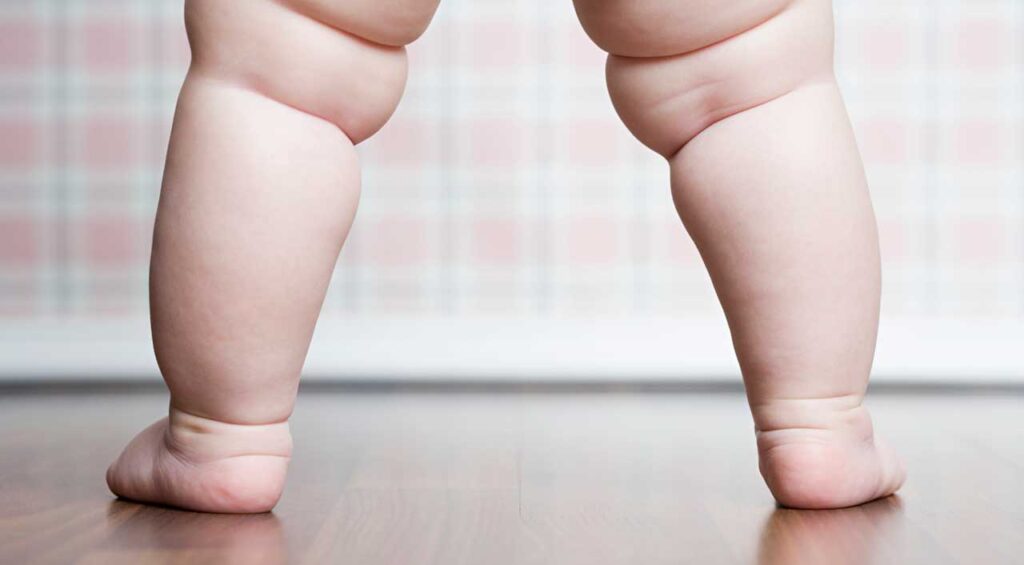
Obesity in children and its risk to their health is really concerning thins to parents. Obesity in children is a sure start to the occurrence of health problems in the near future, so the child becomes infected with the dreaded diseases that affect adults, such as high cholesterol, high blood pressure and diabetes, especially if the parents suffer from obesity or one of them, and if childhood obesity continues into adulthood without treatment and getting rid of it early.
Symptoms of obesity in children
Body mass index (BMI), meaning that it is the specified standard for body weight relative to height, and its measurement that determines whether the child is obese or not, in addition to the doctor’s knowledge of the body mass index and growth chart, the child’s body shape may be larger than usual without the presence of obesity.
Obesity in children is due to changes in the hormones of the digestive system that make the child feel hungry and full, and there are hormonal and genetic factors that play the main role in obesity, and eating a calorie-rich diet without exercising and eating large quantities of water.
Pathological stages of an obese child:
- An obese child suffers from bone fractures more often and is difficult to heal, and asthma suffers more than the other child.
- Non-alcoholic fatty liver disease, which is a disease that has no symptoms, but scarring and damage to the liver as a result of the accumulation of fat inside it.
- Disturbance during sleep as a result of interrupting breathing for a period of time, and returning again, and it is one of the most dangerous symptoms of obesity in children.
- Excess weight is one of the problems that leads to the accumulation of fat in the arteries and their narrowing, and this symptom leads to hardening of the arteries, high blood pressure, stroke and heart disease.
- Disruption of the metabolism process, which leads to excess abdominal obesity, low good cholesterol, high triglycerides and high blood sugar.
- Due to the wrong eating habits and immobility, children develop type 2 diabetes.
Factors of weight gain in children
- Children stay in remote places and cannot get healthy food or exercise. They eat biscuits and high-calorie-ready meals.
- Eating food to overcome family problems or fear and anxiety, all of which are psychological factors that increase the problem of obesity in children.
- Lack of physical activity, such as getting up early and walking in and out of school, and what adds to the problem is that families are accustomed to that.
- Sitting in front of the phone, computer, or television screen for long periods, and playing games that do not move in, are all factors that reduce the chance of burning calories.
Ways to treat obesity in children
Treating obesity in children is part of their health care and increasing weight abnormally in children does not bode well for anything good, rather it is a serious matter that must be taken care of, because childhood is the stage of growth and we do not, of course, prefer that the growth of our children accompanies a health problem such as Obesity that may affect their future health.
The treatment of obesity in children depends mainly on the child’s age and taking into account whether or not he has a health problem, and below we review the details of obesity in children.
Treating obesity in children
The treatment of obesity in children depends on the age and health conditions that may be affected, the treatment may include a significant change in the child’s eating habits and physical activity, and the treatment of obesity in children is divided into the following:
- Treating overweight children (BMI 85 to 94)
It is better for children over two years old and overweight to apply a special program to maintain weight in order to stop or slow down weight gain, this method helps to increase the height of the child instead of gaining weight, and this of course leads to a decrease in the BMI over time towards a healthy indicator. And natural.
They are children whose mass index is more than 95 and they are from the age of 6 to 11 years, and who suffer from obesity. Older adults can adjust their diet to lose 1 or 2 kilograms per week.
The methods of treating obesity in children or maintaining weight are the same methods, as all of it requires eating healthy food in certain quantities with a commitment to a certain physical activity.
Methods of treating obesity in children
- healthy food
Parents are the ones who control the quality of food entering the home and the quality of food that children eat, so the following must be taken into account:
Eat a lot of fruits and vegetables. When buying food for the home, parents should reduce the purchase of canned foods, biscuits and other prepared foods, pay attention to fruits and vegetables, and accustom children to eating them.
Reducing sweetened drinks, and natural juices can also be included. Juices give the body large amounts of calories in exchange for a limited nutritional value, and they also work to satiate the child and prevent him from eating the main meals.
Eating in a family, eating with the family is different from eating alone in front of the TV, which may make the child eat unconsciously and quickly, and he is also prohibited from eating fast foods.
Providing adequate quantities of food, the child does not need the same quantities as adults, so the amount he eats must be taken into account only as much as he is satisfied.
- Physical activity
The practice of physical activities and exercise is important for children to achieve a healthy weight, as well as strengthening the child’s bones and muscles and helping them stay awake and active throughout the day.
To encourage the child to be physically active, do the following:
- Set a specific time for electronic devices, computers, phones, television, and electronic devices that consume a large amount of children’s time. over the age of two years, the time they spend in front of the screen should not exceed more than two hours per day.
- Focusing on activity and not exercise. Children, especially at a young age, are not obligated to exercise specific exercises, but their activity and movement are sufficient, whether through playing or running.
- The activities that the child loves, you will always find your child interested in a specific activity or hobby, all you have to do is pay attention to his passion and develop from it.
Weight loss surgery
Surgery may be an option for those who are close to teens and obese people who will not be able to lose weight through traditional methods, but as usual there are potential risks and positive and negative outcomes.
If extra weight causes greater risks than surgery, then it is the only solution to lose weight.
The Long-Term Health Risks of Childhood Obesity
Childhood obesity is not just a temporary concern; it carries significant long-term health risks that can affect individuals well into adulthood. According to the Centers for Disease Control and Prevention (CDC), children with obesity are more likely to have high blood pressure and high cholesterol, which are risk factors for cardiovascular disease. In fact, obese children as young as 5 years old have shown early signs of heart disease. The risk of developing type 2 diabetes is also significantly higher in children with obesity, and this condition can lead to further health complications such as kidney disease, vision problems, and nerve damage.
Moreover, obesity in children and its risk to their health extend to mental health issues as well. Studies have shown that children with obesity are more likely to experience anxiety, depression, and low self-esteem. These psychological effects can persist into adulthood, affecting overall quality of life and social interactions. Additionally, the social stigma associated with obesity can lead to bullying and social isolation, further exacerbating mental health problems.
Experts emphasize that addressing obesity in children is critical to mitigating these long-term risks. Dr. Sarah Johnson, a pediatrician specializing in childhood obesity, states, “Early intervention is key. By promoting healthy eating habits and regular physical activity from a young age, we can help children maintain a healthy weight and reduce their risk of developing chronic diseases.”
Practical Tips for Parents to Combat Childhood Obesity
Parents play a vital role in preventing and managing obesity in children. Here are some practical tips to help your child maintain a healthy weight:
- Encourage a Balanced Diet: Ensure your child eats a variety of foods, including plenty of fruits, vegetables, whole grains, and lean proteins. Limit sugary drinks and snacks, and opt for water or milk instead.
- Promote Regular Physical Activity: Aim for at least 60 minutes of moderate to vigorous physical activity each day. This can include activities like playing outside, riding a bike, or participating in sports.
- Set a Good Example: Children often model their behavior after their parents. Make healthy eating and regular exercise a family affair by engaging in these activities together.
- Limit Screen Time: Excessive screen time is associated with sedentary behavior and increased calorie intake. Set limits on the amount of time your child spends on electronic devices and encourage alternative activities.
- Ensure Adequate Sleep: Lack of sleep can disrupt hormones that regulate hunger, leading to increased appetite and weight gain. Establish a regular sleep schedule and create a restful environment for your child.
By implementing these strategies, parents can significantly reduce the risk of obesity in children and its risk to their health. It’s important to remember that small, consistent changes can lead to substantial improvements in a child’s overall well-being.
The Role of Schools and Communities in Preventing Childhood Obesity
While parents are the primary influencers in a child’s life, schools and communities also have a responsibility to support healthy lifestyles. Schools can implement policies that promote nutrition education and physical activity, such as offering healthy meal options in cafeterias, incorporating physical education into the daily curriculum, and providing safe spaces for children to play during recess.
Community programs can also play a pivotal role in combating obesity in children. For instance, local initiatives that offer free or low-cost sports programs, nutrition workshops, and cooking classes can provide valuable resources for families. These programs not only educate children and parents about healthy living but also foster a sense of community and support.
Research has shown that when schools and communities work together, the impact on childhood obesity rates can be profound. A study published in the American Journal of Public Health found that children who participated in a community-based obesity prevention program showed significant improvements in their body mass index (BMI) compared to those who did not participate. This highlights the importance of a collaborative approach in addressing obesity in children and its risk to their health.
Experts recommend that schools and communities adopt a multi-faceted approach to tackle childhood obesity. This includes not only promoting healthy eating and physical activity but also addressing social and environmental factors that contribute to obesity, such as food deserts and lack of access to safe recreational spaces.
In conclusion, addressing obesity in children and its risk to their health requires a concerted effort from parents, schools, and communities. By working together, we can create an environment that supports and encourages healthy lifestyles, setting the stage for a healthier future for our children.
“`
Visual Guide



Frequently Asked Questions
What is obesity in children and its risk to their health and why does it matter?
This depends on your specific situation, but the section on factors of weight gain in children covers the details. Most readers find that following a consistent approach with obesity in children and its risk to their health delivers the best results. Read on for evidence-based guidance and step-by-step methods you can apply today.
How does obesity in children and its risk to their health work in practice?
Getting started with obesity in children and its risk to their health is simpler than most people think. The key is following proven strategies consistently. This guide walks you through each step with practical examples and expert recommendations for lasting success.
What are the main benefits of obesity in children and its risk to their health?
Getting started with obesity in children and its risk to their health is simpler than most people think. The key is following proven strategies consistently. This guide walks you through each step with practical examples and expert recommendations for lasting success.
How long does it take to see results from obesity in children and its risk to their health?
Getting started with obesity in children and its risk to their health is simpler than most people think. The key is following proven strategies consistently. This guide walks you through each step with practical examples and expert recommendations for lasting success.
What are common mistakes to avoid with obesity in children and its risk to their health?
Getting started with obesity in children and its risk to their health is simpler than most people think. The key is following proven strategies consistently. This guide walks you through each step with practical examples and expert recommendations for lasting success.
The Importance of Early Intervention
Addressing obesity in children and its risk to their health requires proactive measures starting at an early age. Early intervention not only helps in managing weight but also in preventing the onset of various health complications. Parents and caregivers should be educated about the importance of balanced nutrition and regular physical activity. By fostering healthy habits early on, we can significantly reduce the long-term impact of obesity in children and its risk to their health.
Actionable Tips for Parents and Caregivers
To combat obesity in children and its risk to their health, consider the following actionable tips:
- Balanced Diet: Ensure that children consume a variety of foods, including fruits, vegetables, whole grains, and lean proteins. Limit the intake of sugary drinks and high-calorie snacks.
- Regular Physical Activity: Encourage at least one hour of physical activity daily. This can include playing sports, riding bikes, or simply playing outside.
- Limit Screen Time: Set boundaries for screen time, including television, computers, and mobile devices. Encourage activities that promote movement and interaction.
- Family Involvement: Make healthy living a family affair. Plan meals together, go for walks, and engage in activities that everyone can enjoy.
- Regular Health Check-ups: Schedule regular health check-ups to monitor your child’s weight and overall health. This can help in identifying potential issues related to obesity in children and its risk to their health early on.
By implementing these strategies, parents and caregivers can play a pivotal role in mitigating the risks associated with obesity in children and its risk to their health. It is essential to create a supportive environment that encourages healthy choices and promotes overall well-being.
Expert Insights on Childhood Obesity
Experts emphasize the need for a multi-faceted approach to tackle obesity in children and its risk to their health. Dr. Jane Smith, a leading pediatrician, states, “It is important to address not only the physical aspects but also the emotional and social factors that contribute to childhood obesity. A comprehensive approach that includes family, school, and community involvement is necessary for effective prevention and management.” By understanding the multifaceted nature of obesity in children and its risk to their health, we can develop more effective strategies to combat this growing issue.