Medical Disclaimer: This content is for informational purposes only. Consult a qualified healthcare professional.
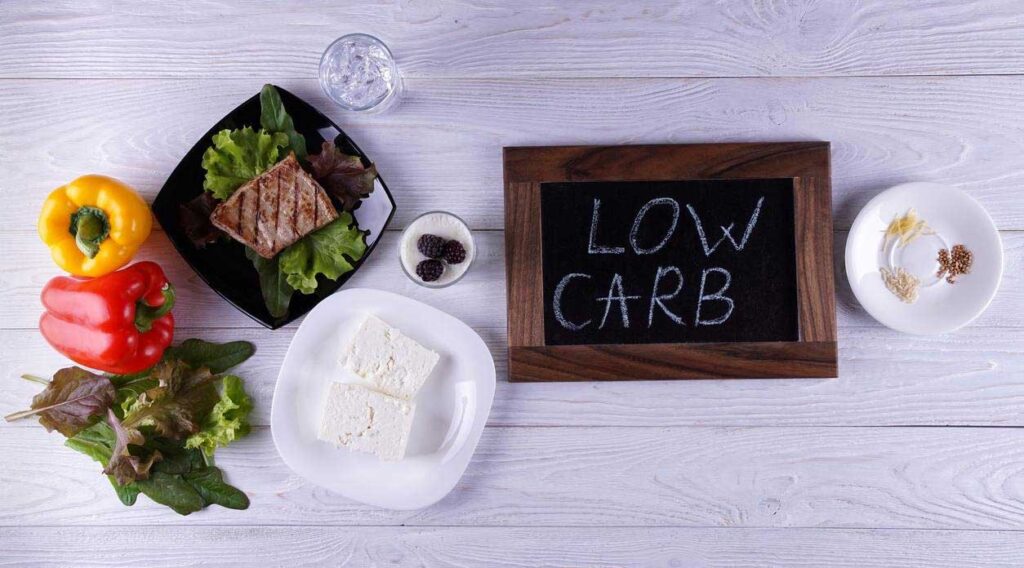
The low carb diet for weight loss depends on reducing the intake of carbohydrates and increasing the amount of protein and healthy fats in the diet, and it is one of the safest systems for losing weight and getting rid of obesity, as it works to burn fats accumulated in the body, especially fats concentrated in the abdominal area. Many different systems and foods.
Low Carb system
The Low Carb diet depends on reducing the percentage of carbohydrates in the body by eating few foods full of starches such as (pasta, bread, sugar, and others).
Carbohydrates and sugars are replaced by increasing the amount of protein and healthy fats in the meal (such as fish, meat, vegetable protein)
The Low Carb diet varies from person to person depending on the nature of each body, there is one for vegetarians and another for pregnant and lactating women, and during fasting, and another for diabetics.
Low Carb system drinks
Drinks that are forbidden and permitted on the Low Carb diet
All hot drinks are allowed on the Low Carb diet, but without adding sugar.
It is preferable not to consume cold juices that contain a percentage of sugar, such as bananas and others.
It is forbidden to consume soft drinks of all kinds because they contain a high percentage of sugar, including those called zero sugar.
You can eat fresh low-sugar juices such as (orange juice, apple juice, sugar-free lemon juice).
Meals for the Low Carb diet
With the ability to replace meals with any of the previously mentioned foods permitted in the Low Carb diet.
- Breakfast ideas
1 potato + 3 dates + 3 spoons of almonds.
Lentil soup + apple.
Oatmeal consists of (4 tablespoons of oats + milk + 1 tablespoon of honey + a banana).
Omelette eggs + vegetable.
- Ideas for lunch
Vegetable salad with grilled chicken pieces
Shrimp salad with olive oil.
2 grilled fish + medium vegetable salad plate.
Half grilled chicken + medium vegetable salad plate.
Spinach + grilled chicken breast.
- Dinner ideas
Medium vegetable salad plate.
3 tablespoons of beans + a quarter of a loaf of baladi bread.
2 boiled egg + a piece of cottage cheese + a quarter of a loaf.
A cup of milk + a piece of cottage cheese.
Low carb diet for vegetarians
The Low Carb diet depends on eating proteins from animal meat and poultry, and this comes against the nature of the diet of vegetarians, some of them eat fish only, and some of them eat milk and eggs, and there is another group that does not eat any type of dairy or animal products.
Examples of some foods that vegetarians can eat when following a Low Carb diet:
- Omega-3 fertilized eggs.
- Skimmed milk and yogurt without adding sugar.
- Grass-fed animal fats, extra virgin olive oil, avocado oil, and coconut oil.
- Natural cheeses.
- Vegetables such as (tomatoes, onions, eggplant, broccoli, peppers, cauliflower, green beans).
- Fruits (strawberries, cherries, berries and cranberries, grapes, avocados, olives).
- Dark chocolate.
- Legumes such as (chickpeas, lupine, beans, white beans, cowpeas, peas).
- Nuts such as (peanuts, almonds, walnuts).
- Seeds like (wheat, pumpkin seeds).
Low Carb system for pregnant and breastfeeding women
There are two types of the Low Carb diet for breastfeeding and pregnant women:
- The first type
Those who follow the Low Carb diet for the first time: In that case, you must follow the seven systems regularly, with the number of days first and as follows:
- You start with the first regimen for a period of 7 days.
- After that the second order for 6 days after that is an open day.
- Then the third system for 3 days.
- After that the first system restarted again for 3 days.
- Then an open day.
- Then the fourth system for 4 days.
- And restart the second system for a period of two days.
- Thus, along the same lines, we complete the rest of the systems.
- The second type
Those that were already following the Low Carb diet and want to continue with it, and the system for them is as follows:
- Starting from the third regimen for 3 days.
- Then take an open day.
- After that, the fourth regimen for 3 days.
- After that the fifth system for 3 days.
- Then an open day.
- After that, the sixth system for 3 days.
- Thus, along the same lines, we complete the rest of the systems.
Food suitable for pregnant and breastfeeding women on the Low Carb diet
- Folic acid is one of the most important nutrients for a pregnant woman, and one of the sources of folate (spinach, sesame, green beans, peanuts).
- Legumes such as (lentils, white beans, chickpeas, beans, kidney beans).
- Animal products because they contain calcium that women need in that period, such as (dairy, eggs, yogurt, cheeses, especially Quraish).
- Meat and fish, except for tuna because they contain some mercury.
- Nuts such as (almonds, walnuts, peanuts).
- Lockard system in Ramadan and intermittent fasting
Firstly, the intermittent fasting system depends on two meals between each meal and the second 8 hours, so that the fasting hours become 16 hours, but during fasting hours it is allowed to drink water and hot herbal drinks (such as green tea, mint, anise, …), milk cannot be consumed during fasting times.
Ideas for diet meals Low Carb in intermittent fasting
First day
The first meal: It consists of protein and carbohydrates (a quarter of chicken or 3 slices of grilled meat without oil + medium rice dish + green salad plate).
The second meal: Consists of (a small bean dish + a piece of cottage cheese + a whole loaf of bread).
Second day
The first meal: It consists of protein and vegetables (a quarter of chicken or 3 slices of meat + medium rice plate + any kind of cooked vegetables + medium vegetable salad plate). All of this should related to low carb diet for weight loss.
The second meal: Consists of (a piece of cottage cheese + a whole loaf of my country + a cup of milk).
Third day
The first meal: It consists of (any type of grilled fish, 3 fish + a small green salad plate).
The second meal: It consists of (3 boiled eggs + a cup of milk + a small amount of nuts).
Note: Be sure to drink enough water daily, at a rate of at least 2 to 3 liters.
Understanding the Science Behind Low Carb Diets for Weight Loss
Low carb diets have gained significant popularity for weight loss, but understanding the science behind them can help you make informed decisions. When you reduce carbohydrate intake, your body is forced to burn stored fat for energy instead of relying on glucose from carbs. This metabolic state, known as ketosis, can lead to rapid weight loss. According to a study published in the “New England Journal of Medicine,” individuals on a low carb diet lost more weight compared to those on a low-fat diet over a 6-month period.
One of the reasons low carb diets are effective for weight loss is that they help control insulin levels. Insulin is a hormone that regulates blood sugar and promotes fat storage. By reducing carb intake, insulin levels remain stable, which can prevent excessive fat storage and promote weight loss. Additionally, low carb diets often lead to a reduction in appetite, which can help you consume fewer calories without feeling deprived.
Experts suggest that a low carb diet for weight loss should include healthy fats and proteins to ensure nutritional balance. Foods like avocados, nuts, seeds, lean meats, and fish are excellent choices. It’s also important to include plenty of non-starchy vegetables to provide essential vitamins and minerals. By focusing on these nutrient-dense foods, you can support your overall health while achieving your weight loss goals.
Practical Tips for Implementing a Low Carb Diet
Transitioning to a low carb diet for weight loss can be challenging, but with the right approach, it can be both effective and sustainable. Here are some practical tips to help you get started:
- Plan Your Meals: Planning your meals in advance can help you avoid the temptation of high-carb foods. Create a weekly meal plan that includes a variety of low carb options, and make a shopping list to ensure you have all the necessary ingredients.
- Focus on Whole Foods: Choose whole, unprocessed foods whenever possible. Fresh vegetables, lean proteins, and healthy fats should form the basis of your diet. These foods are not only low in carbs but also rich in nutrients.
- Stay Hydrated: Drinking plenty of water is essential, especially when starting a low carb diet. Water helps flush out toxins and can also help control hunger. Aim for at least 8-10 glasses of water per day.
- Monitor Your Carb Intake: Keep track of your daily carb intake to ensure you’re staying within your target range. This can be done using a food diary or a mobile app. Most people on a low carb diet aim for 20-50 grams of carbs per day, but this can vary based on individual needs.
- Include Healthy Fats: Don’t shy away from healthy fats. They are an important part of a low carb diet and can help keep you feeling full and satisfied. Avocados, olive oil, and nuts are excellent sources of healthy fats.
By following these tips, you can make your low carb diet for weight loss more manageable and enjoyable. Remember, it’s important to listen to your body and make adjustments as needed. If you experience any adverse effects, such as fatigue or dizziness, consult with a healthcare professional.
Combining Low Carb Diets with Exercise for Optimal Results
While a low carb diet for weight loss can be effective on its own, combining it with regular exercise can enhance your results. Exercise helps burn additional calories, boosts metabolism, and improves overall health. It can also help preserve muscle mass, which is important for maintaining a healthy weight.
When starting an exercise routine, it’s important to choose activities you enjoy. This will increase the likelihood of sticking with it long-term. Some popular options include walking, cycling, swimming, and strength training. Aim for at least 150 minutes of moderate-intensity exercise per week, or 75 minutes of vigorous-intensity exercise.
Strength training is particularly beneficial for those on a low carb diet. It helps build and maintain muscle mass, which can increase your resting metabolic rate. This means you’ll burn more calories even when at rest. Additionally, strength training can improve insulin sensitivity, which is beneficial for weight management.
Here are some tips for combining exercise with a low carb diet:
- Fuel Your Workouts: Ensure you’re consuming enough calories and nutrients to support your exercise routine. Include a source of protein and healthy fats before and after workouts to aid recovery.
- Stay Consistent: Consistency is key when it comes to exercise. Try to establish a routine that fits your lifestyle and stick with it. Even short, regular workouts can be effective.
- Listen to Your Body: Pay attention to how your body responds to exercise. If you feel fatigued or experience any discomfort, adjust your routine accordingly. It’s important to find a balance that works for you.
- Stay Hydrated: Just as with a low carb diet, staying hydrated is crucial during exercise. Drink plenty of water before, during, and after workouts to maintain performance and aid recovery.
By combining a low carb diet for weight loss with regular exercise, you can achieve optimal results. Not only will you lose weight, but you’ll also improve your overall health and well-being. Remember, it’s important to be patient and consistent. Weight loss is a journey, and small, sustainable changes can lead to lasting results.
Visual Guide

Frequently Asked Questions
What is low carb diet for weight loss and why does it matter?
This depends on your specific situation, but the section on ideas for diet meals low carb in intermittent fasting covers the details. Most readers find that following a consistent approach with low carb diet for weight loss delivers the best results. Read on for evidence-based guidance and step-by-step methods you can apply today.
How does low carb diet for weight loss work in practice?
Getting started with low carb diet for weight loss is simpler than most people think. The key is following proven strategies consistently. This guide walks you through each step with practical examples and expert recommendations for lasting success.
What are the main benefits of low carb diet for weight loss?
Getting started with low carb diet for weight loss is simpler than most people think. The key is following proven strategies consistently. This guide walks you through each step with practical examples and expert recommendations for lasting success.
How long does it take to see results from low carb diet for weight loss?
Getting started with low carb diet for weight loss is simpler than most people think. The key is following proven strategies consistently. This guide walks you through each step with practical examples and expert recommendations for lasting success.
What are common mistakes to avoid with low carb diet for weight loss?
Getting started with low carb diet for weight loss is simpler than most people think. The key is following proven strategies consistently. This guide walks you through each step with practical examples and expert recommendations for lasting success.
Expert Tips for Maximizing Your Low Carb Diet for Weight Loss
To truly harness the potential of a low carb diet for weight loss, it’s essential to incorporate some expert-backed strategies. These tips can help you stay on track and optimize your results over the course of a month.
- Stay Hydrated: Drinking plenty of water is crucial when following a low carb diet for weight loss. It not only helps with digestion but also aids in curbing unnecessary cravings that can derail your progress.
- Plan Your Meals: Meal planning is a powerful tool for success. By preparing your meals in advance, you can ensure that you stick to your low carb diet for weight loss goals without succumbing to the temptation of high-carb alternatives.
- Incorporate Healthy Fats: Don’t shy away from healthy fats like avocados, nuts, and olive oil. These fats are essential for a balanced low carb diet for weight loss, providing sustained energy and helping you feel fuller for longer.
- Monitor Your Progress: Keep a journal or use a tracking app to monitor your progress. This can help you identify patterns, make necessary adjustments, and stay motivated on your low carb diet for weight loss journey.
Common Mistakes to Avoid on a Low Carb Diet for Weight Loss
While a low carb diet for weight loss can be highly effective, there are common pitfalls that can hinder your progress. Being aware of these mistakes can help you avoid them and stay on the path to success.
- Not Eating Enough Vegetables: Vegetables are a vital component of a low carb diet for weight loss. They provide essential nutrients and fiber that support overall health and digestion.
- Relying on Processed Foods: Just because a food is low in carbs doesn’t mean it’s healthy. Avoid processed low-carb foods and focus on whole, nutrient-dense options.
- Ignoring Portion Control: Even on a low carb diet for weight loss, portion control matters. Be mindful of your portions to prevent overeating, especially with high-calorie foods like nuts and cheese.
- Not Listening to Your Body: Pay attention to your body’s signals. If you’re feeling fatigued or experiencing other negative symptoms, it might be time to reassess your approach to the low carb diet for weight loss.
In conclusion, a low carb diet for weight loss can be a highly effective strategy when approached with the right mindset and strategies. By staying informed, planning ahead, and avoiding common mistakes, you can maximize your results and achieve your weight loss goals.