High Fiber Dinner Recipes: 7 Proven Best Tips for 2026

Medical Disclaimer: This content is for informational purposes only. Consult a qualified healthcare professional.
If you want one kitchen habit that quietly changes everything from your energy to your waistline, build your evening plate around high fiber dinner recipes. Following proven high fiber dinner recipes guidelines is what separates lasting success from temporary fixes.
A 2026 dinner built on beans, whole grains, vegetables, and fruit delivers the 25 to 35 grams of fiber most adults need. It also avoids the bloat, blood-sugar crash, and midnight snack cravings that derail weight loss.
Harvard T.H. Chan researchers note that children and adults need at least 25 to 35 grams of fiber per day for good health, yet most Americans get only about 15 grams a day. Building high fiber dinner recipes is the smartest swap you can make this year because dinner portions are larger and you have time to cook actual plants.
This guide walks through seven proven recipe formulas, the science behind why fiber works for weight loss, exact gram targets per serving, and how to keep these meals interesting on busy nights. Every formula uses ingredients available at any grocery store, costs less than takeout, and clocks in under 40 minutes of hands-on time.
Table of Contents
- Why Fiber Matters for Weight Loss
- How Much Fiber You Need at Dinner
- 7 Proven High Fiber Dinner Recipes
- Smart Swaps for High Fiber Dinner Recipes
- Common Mistakes That Cancel Out Fiber
- A Sample 7-Day High Fiber Dinner Plan
- Frequently Asked Questions About High Fiber Dinner Recipes
- Final Thoughts on High Fiber Dinner Recipes
Why Fiber Matters for Weight Loss
Fiber does three things at dinner that almost no other nutrient does together: it fills you up, it slows digestion so blood sugar stays steady, and it feeds the gut bacteria that regulate hunger the next morning.
The National Institutes of Health explains that dietary fiber adds bulk to your diet and makes you feel full faster, which helps you control your weight. When fiber is the anchor of high fiber dinner recipes, late-night grazing tends to fade on its own within a week or two.
Two main types of fiber play different roles in your evening meal. Soluble fiber dissolves in water, slows glucose absorption, and helps lower LDL cholesterol. Harvard lists oatmeal, chia seeds, nuts, beans, lentils, apples, and blueberries as top sources.
Insoluble fiber does not dissolve. It adds bulk, speeds transit time, and helps prevent constipation. Whole wheat, wheat bran, quinoa, brown rice, legumes, and leafy greens carry insoluble fiber that complements the soluble sources on the plate.
Both types feed the gut microbiome, which matters more for weight management than most people realize. As fiber ferments in the colon, gut bacteria produce short-chain fatty acids that influence satiety hormones and insulin sensitivity.
A 2026 dinner built on a mix of soluble and insoluble sources therefore does more than count grams. It sets up the next 24 hours of appetite control, which is why high fiber dinner recipes outperform strict calorie counting for most weight loss goals.
The fiber gap in the standard American diet is real and stubborn. Average intake sits around 15 grams a day, roughly half of the recommended 25 to 35 grams. Closing that gap at dinner is faster than chasing it with breakfast cereals, because dinner portions are larger.
How Much Fiber You Need at Dinner
A practical dinner target for high fiber dinner recipes is 10 to 14 grams of fiber per plate. That splits the daily goal cleanly: 5 to 8 grams at breakfast, 5 to 8 grams at lunch, 10 to 14 grams at dinner, plus a small snack if you want.
Dinner is the easiest meal to land double-digit grams because vegetables and legumes scale. One cup of cooked lentils delivers about 15 grams of fiber. One cup of cooked black beans delivers about 12 grams.
A medium sweet potato with skin delivers about 4 grams. One cup of broccoli delivers about 5 grams. A cup of cooked quinoa delivers about 5 grams. Following proven high fiber dinner recipes guidelines is what separates lasting success from temporary fixes.
Stack two of these and you are at or past your dinner target.
For people not used to fiber-rich plates, ramp up over two weeks rather than all at once. The NIH warns that increasing dietary fiber too quickly can lead to gas, bloating, and cramping.
Add one new high-fiber ingredient per week, drink a glass of water with each fiber-rich meal, and let your gut microbiome catch up. The discomfort passes within a few days as bacterial populations adjust.
7 Proven High Fiber Dinner Recipes
These seven dinners are the ones I rotate in my own kitchen. Each one delivers at least 10 grams of fiber per serving, hits a complete protein, and is forgiving if you swap a vegetable based on what is in the fridge.
1. One-Pot Lentil and Vegetable Stew
This is the workhorse of the rotation. Sauté onion, garlic, carrot, and celery in olive oil for 5 minutes. Add a can of crushed tomatoes, a cup of dry green or brown lentils, 4 cups of vegetable broth, a bay leaf, cumin, and smoked paprika.
Simmer for 30 minutes until the lentils are tender. Stir in a few handfuls of spinach at the end. Each bowl lands around 14 grams of fiber and 18 grams of plant protein.
2. Black Bean and Sweet Potato Chili
Dice two sweet potatoes, roast them for 20 minutes at 400°F. In a pot, sauté onion, garlic, and bell pepper. Add two cans of black beans (rinsed), the roasted sweet potato, a can of fire-roasted tomatoes, corn, chili powder, cumin, and cocoa powder.
Simmer 15 minutes. Top with avocado and cilantro. Each bowl hits 12 to 15 grams of fiber.
3. Quinoa Bowl with Roasted Vegetables and Tahini
Cook a cup of quinoa per package directions. Roast a tray of broccoli, chickpeas (tossed in olive oil and cumin), and red onion at 425°F for 25 minutes.
Layer quinoa, roasted vegetables, and a generous drizzle of lemon-tahini sauce. Each bowl carries 11 to 13 grams of fiber plus 14 grams of plant protein from the chickpeas.
4. Whole Wheat Pasta with White Bean Pesto
Blend a can of cannellini beans, basil, garlic, lemon juice, olive oil, and Parmesan into a creamy pesto. Toss with cooked whole wheat or chickpea pasta, halved cherry tomatoes, and arugula.
Each plate delivers 13 to 16 grams of fiber, and the protein boost from the beans means you stay full for hours. Following proven high fiber dinner recipes guidelines is what separates lasting success from temporary fixes.
5. Stuffed Bell Peppers with Ground Turkey and Bulgur
Cook bulgur, a high fiber whole grain, per package directions. Sauté onion, garlic, and ground turkey (or lentils for a vegetarian version). Mix the bulgur, turkey, diced tomato, pine nuts, parsley, and warm spices.
Stuff into halved bell peppers and bake at 375°F for 25 minutes. Each pepper clocks 9 to 11 grams of fiber and doubles as meal prep.
6. Salmon with Lentil Pilaf and Wilted Greens
Cook green or French lentils with diced carrot, onion, garlic, and a bay leaf. Pan-sear a salmon fillet. Wilt a big bowl of kale or chard with garlic and lemon.
Plate the lentils, top with salmon, and serve greens on the side. Total fiber for the plate is 14 to 16 grams, plus the omega-3 benefit from the salmon.
7. Chickpea and Vegetable Curry with Brown Rice
Sauté onion, ginger, and garlic in coconut oil. Add curry powder, turmeric, and diced tomatoes. Stir in two cans of chickpeas, cauliflower, spinach, and coconut milk.
Simmer 15 minutes. Serve over brown rice. Each bowl carries 12 to 14 grams of fiber, and the turmeric and ginger bring anti-inflammatory benefits on top.
Smart Swaps for High Fiber Dinner Recipes
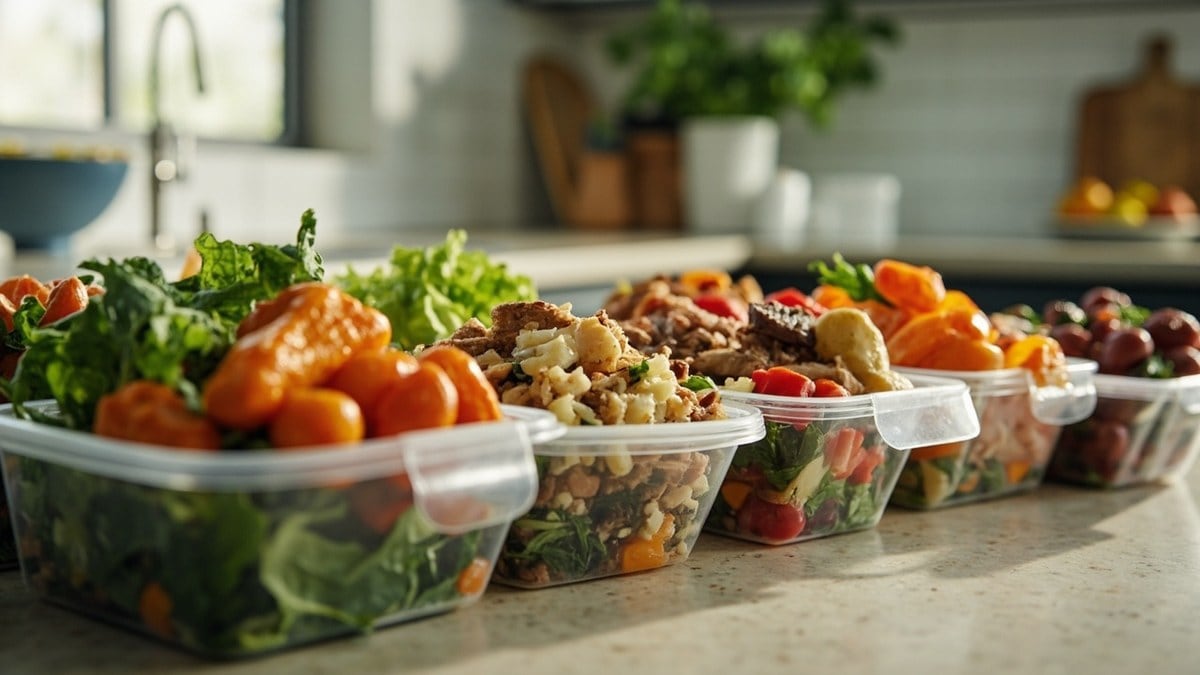
The fastest path to these dinners is small swaps, not full recipe rebuilds. White rice becomes brown rice or quinoa for about 2 to 4 extra grams per cup. White pasta becomes whole wheat or chickpea pasta for about 5 to 8 extra grams per serving.
Ground beef tacos become black bean tacos. Mashed potato becomes mashed white bean or mashed cauliflower and potato blend. Each swap is invisible to anyone at the table but adds up over a week.
Sneak vegetables into sauces and soups for an instant fiber boost. A handful of baby spinach wilts into any pasta sauce in 60 seconds. Cauliflower blends invisibly into creamy soups.
Zucchini shreds into meatballs. These moves add 2 to 4 grams per serving without anyone noticing, which is the most useful habit on busy weeknights.
Beans are the single most efficient fiber ingredient in any grocery store. One cup of cooked beans delivers 10 to 15 grams of fiber for around 200 calories. Add a half-cup of beans to any soup, salad, grain bowl, or pasta sauce and you are already halfway to a 10-gram high fiber dinner recipe.
Common Mistakes That Cancel Out Fiber
A few habits undo the work of even the best of these dinners. The first is drinking calories that displace fiber-rich foods. Sweet tea, soda, and alcohol do not bring fiber and they often replace a serving of vegetables. Following proven high fiber dinner recipes guidelines is what separates lasting success from temporary fixes.
Water, sparkling water, or unsweetened tea at dinner lets the fiber on the plate do its job. A glass of water with each meal supports digestion and helps the fiber move through your system comfortably.
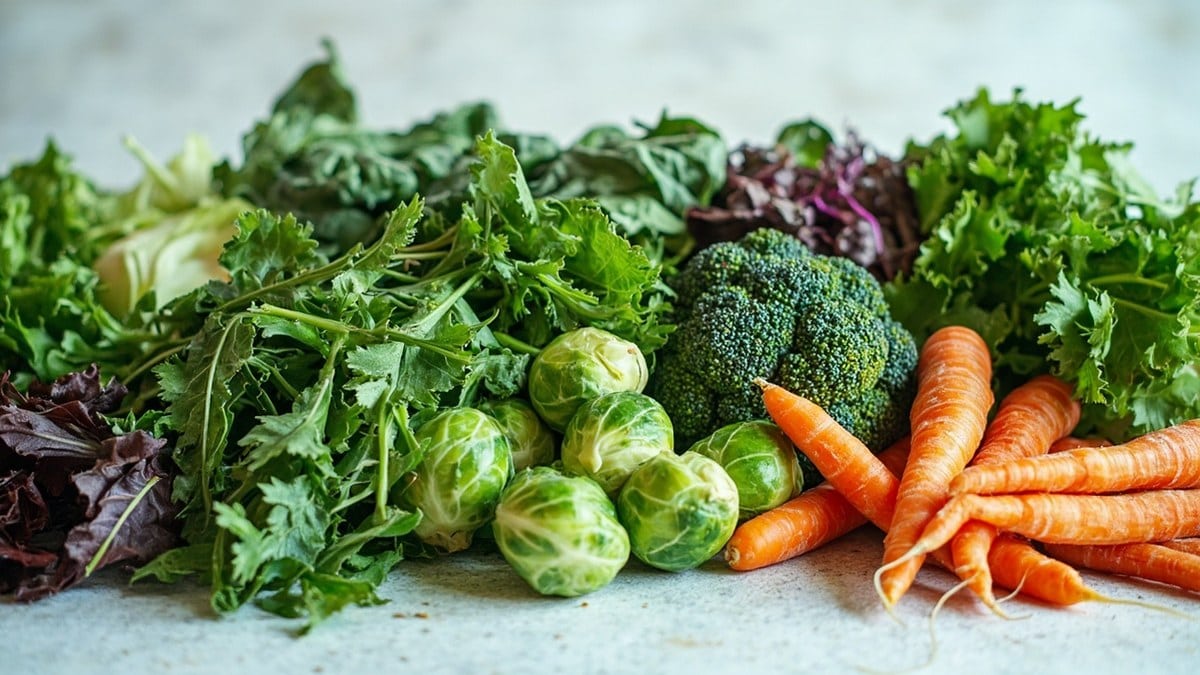
The second mistake is peeling fruits and vegetables. The skin is where a large fraction of the fiber lives.
A medium apple with skin has about 4 grams of fiber. Peeled, it drops to under 2 grams.
Potato skins, peach skins, cucumber skins, and zucchini skins all carry meaningful fiber. Leave them on when the recipe allows. That single habit can shift your weekly fiber totals by 10 to 15 grams.
The third mistake is overcooking vegetables until they fall apart. Long cooking breaks down fiber structure, which reduces the satiety signal you would otherwise get. Aim for tender-crisp textures.
Steam vegetables for 4 to 6 minutes rather than 12. Roast at high heat to keep some snap. These techniques preserve the fiber structure that drives appetite control from high fiber dinner recipes.
The fourth mistake is front-loading fiber at breakfast and skipping it at dinner. Most people who say fiber is hard are accidentally bunching all 25 grams into the first meal and then forgetting about it for the rest of the day.
Dinner is where the appetite control benefit shows up overnight, so redistribute the grams across all three meals. These dinners are the missing half for most weeknight eaters.
The fifth mistake is ignoring protein alongside fiber. Fiber fills you up, but the satiety signal lasts longer when paired with protein. Pair the lentil stew with a side of Greek yogurt.
Pair the chickpea bowl with a hard-boiled egg. Pair the bean chili with a small piece of chicken or extra avocado. The combination of fiber plus protein is what flattens late-night hunger.
A Sample 7-Day High Fiber Dinner Plan
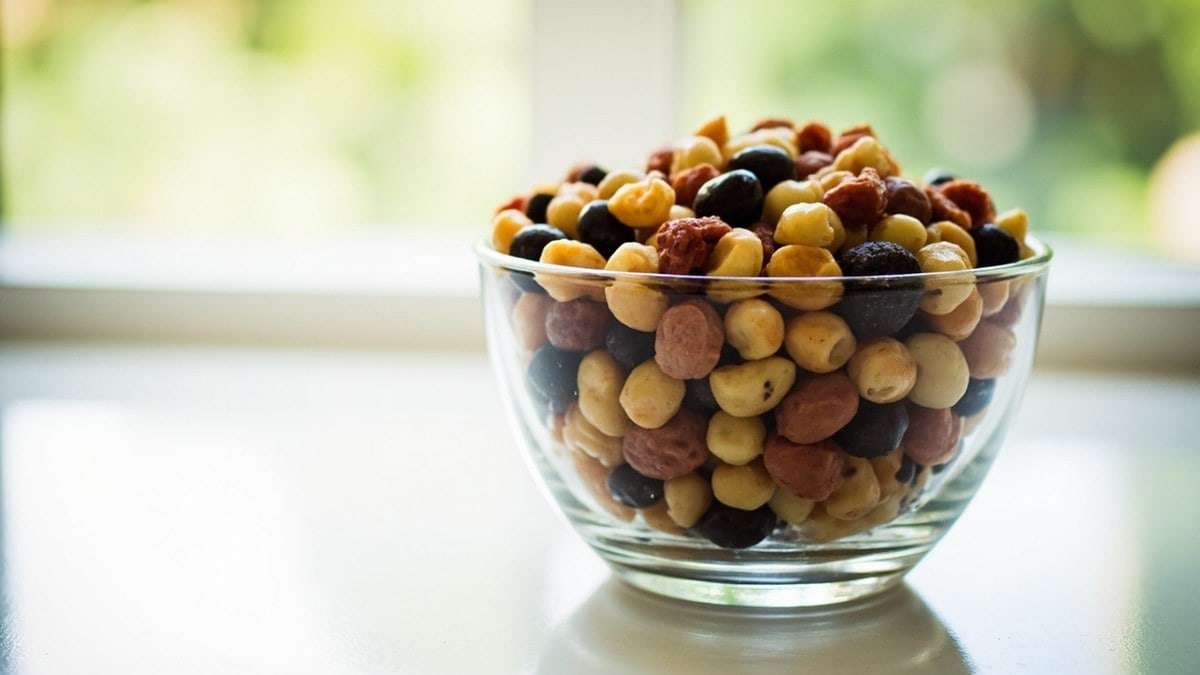
Here is how a week of high fiber dinner recipes looks in real life. Each dinner targets 10 to 14 grams of fiber.
- Monday: Lentil and vegetable stew with a slice of whole grain bread (13g fiber)
- Tuesday: Black bean and sweet potato chili with avocado (14g fiber)
- Wednesday: Quinoa bowl with roasted vegetables and tahini (11g fiber)
- Thursday: Whole wheat pasta with white bean pesto and arugula (14g fiber)
- Friday: Salmon with lentil pilaf and wilted kale (15g fiber)
- Saturday: Chickpea curry with brown rice (12g fiber)
- Sunday: Stuffed peppers with bulgur and ground turkey (10g fiber)
Across the week, this pattern of high fiber dinner recipes lands around 90 to 100 grams of fiber from dinner alone, which puts you over the daily goal even if breakfast and lunch are modest. Following proven high fiber dinner recipes guidelines is what separates lasting success from temporary fixes.
Most people who follow a plan like this for three to four weeks report less evening snacking, more stable morning energy, and a flatter weekly weight trend. The compounding effect is what makes the habit stick.
Cooking once or twice on Sunday covers most of the week. The lentil stew, the chili, and the chickpea curry all taste better the second day and reheat in 3 minutes.
A pot of brown rice and a sheet pan of roasted vegetables cover two more dinners. The time cost of running a week of dinners like these is lower than most people expect.
Frequently Asked Questions About High Fiber Dinner Recipes
What is the fastest high fiber dinner recipe to make on a busy weeknight?
Whole wheat pasta with white bean pesto takes about 15 minutes and delivers 13 to 16 grams of fiber. Canned beans are the time saver. They need no soaking and they blend into a creamy sauce in under a minute.
Are canned beans as high in fiber as dried beans for high fiber dinner recipes?
Yes. A cup of canned black beans delivers about 12 grams of fiber, very close to a cup of dried beans cooked at home. Rinse canned beans under running water to reduce sodium by about 40 percent.
Can high fiber dinner recipes help with weight loss?
Yes. The NIH notes that dietary fiber adds bulk to your diet and makes you feel full faster, which helps you control your weight. When high fiber dinner recipes anchor your evening, late-night snacking drops and total calorie intake tends to fall on its own.
How quickly will I notice a difference from high fiber dinner recipes?
Most people notice better digestion and flatter morning energy within 5 to 7 days of starting high fiber dinner recipes. Weight-related changes typically show up at the 3 to 4 week mark because the appetite-control effect compounds over time.
Should I count fiber or just eat more plants in my high fiber dinner recipes?
Counting helps for the first two to three weeks because it builds the habit of choosing these meals. After that, eating vegetables, beans, whole grains, and fruit at every meal keeps fiber on track without much effort.
Is there a downside to high fiber dinner recipes?
The main downside is gas and bloating if you ramp up too fast. Add one new fiber-rich ingredient per week, drink water with each meal, and give your gut bacteria two to three weeks to adapt. After that, high fiber dinner recipes settle into your week comfortably.
Do I need a fiber supplement instead of high fiber dinner recipes?
Food comes first. Whole foods deliver fiber alongside vitamins, minerals, and phytochemicals that supplements cannot replicate. A psyllium husk supplement is fine as a backup on travel days, but high fiber dinner recipes should do most of the work week in and week out.
Final Thoughts on High Fiber Dinner Recipes
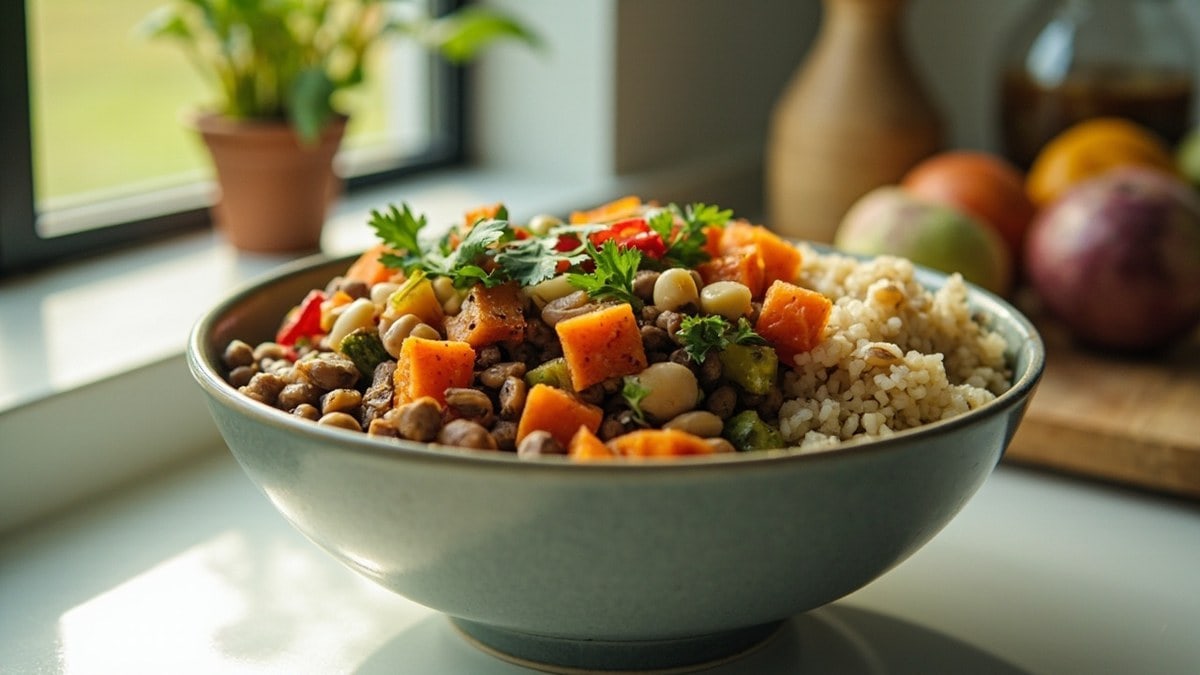
These dinners are not a diet trend. They are a kitchen habit. A single dinner built on beans, whole grains, and vegetables moves you from the average American 15 grams a day toward the 25 to 35 grams the NIH recommends.
The satiety effect of fiber works overnight, which means these dinners set up the next morning’s appetite control. Pick three recipes from this list, shop on Sunday, and rotate them through the week.
After three to four weeks of consistent effort, the habit runs itself and the weight trend follows. The kitchen becomes the simplest tool in your weight loss toolbox.
For more on building a kitchen that supports weight loss, see our guide to meal prep chicken recipes, our how-to-meal-prep guide, and our five-ingredient dinners roundup for the nights when you want even simpler options.
Sources: Harvard T.H. Chan School of Public Health Nutrition Source on Fiber, National Institutes of Health MedlinePlus on Dietary Fiber, and the Wikipedia Dietary Fiber overview.
Authoritative Sources
This guide on high fiber dinner recipes references research and recommendations from CDC Nutrition Tips Mayo Clinic Fiber. These sources provide the clinical and scientific foundation for the strategies discussed above.
Medical Disclaimer: This article is for informational purposes only and does not constitute medical advice. Consult a qualified healthcare provider before starting any weight loss program.
More in Healthy Recipes
 Healthy Recipes
Magnesium Rich Smoothie Recipes: 7 Proven Best Picks (2026)
Medical Disclaimer: This content is for informational purposes only. Consult a qualified healthcare professional. Magnesium Rich…
 Healthy Recipes
Fiber Rich Smoothie Recipes: 7 Proven Best Picks (2026)
Medical Disclaimer: This content is for informational purposes only. Consult a qualified healthcare professional. Fiber Rich…
 Healthy Recipes
High Protein Breakfast for Weight Loss Guide: Amazing Tips 2026
If you have been searching for high protein breakfast for weight loss, you have come to…
Get More Articles Like This
Join 45,000+ readers. Weekly expert-reviewed weight loss advice.
Evidence, not opinions.
Guidance on fat loss, training and food, written against the peer-reviewed literature and cited so you can check it.