Green Tea Extract for Weight Loss: 7 Amazing Proven Picks
Medical Disclaimer: This content is for informational purposes only. Consult a qualified healthcare professional.
1. Build a Clear Baseline for Green Tea Extract For Weight Loss
- What Green Tea Extract for Weight Loss Actually Is
- How Green Tea Extract for Weight Loss Works in the Body
- What the Research on Green Tea Extract for Weight Loss Shows
- How Much Green Tea Extract for Weight Loss to Take
- Safety and Side Effects of Green Tea Extract for Weight Loss
- Medication Interactions With Green Tea Extract for Weight Loss
- Choosing a Green Tea Extract for Weight Loss Supplement
- Pairing Green Tea Extract for Weight Loss With Diet and Exercise
- Frequently Asked Questions About Green Tea Extract for Weight Loss
- Related Reading on Green Tea Extract for Weight Loss and Diet
- The Bottom Line on Green Tea Extract for Weight Loss
What Green Tea Extract for Weight Loss Actually Is
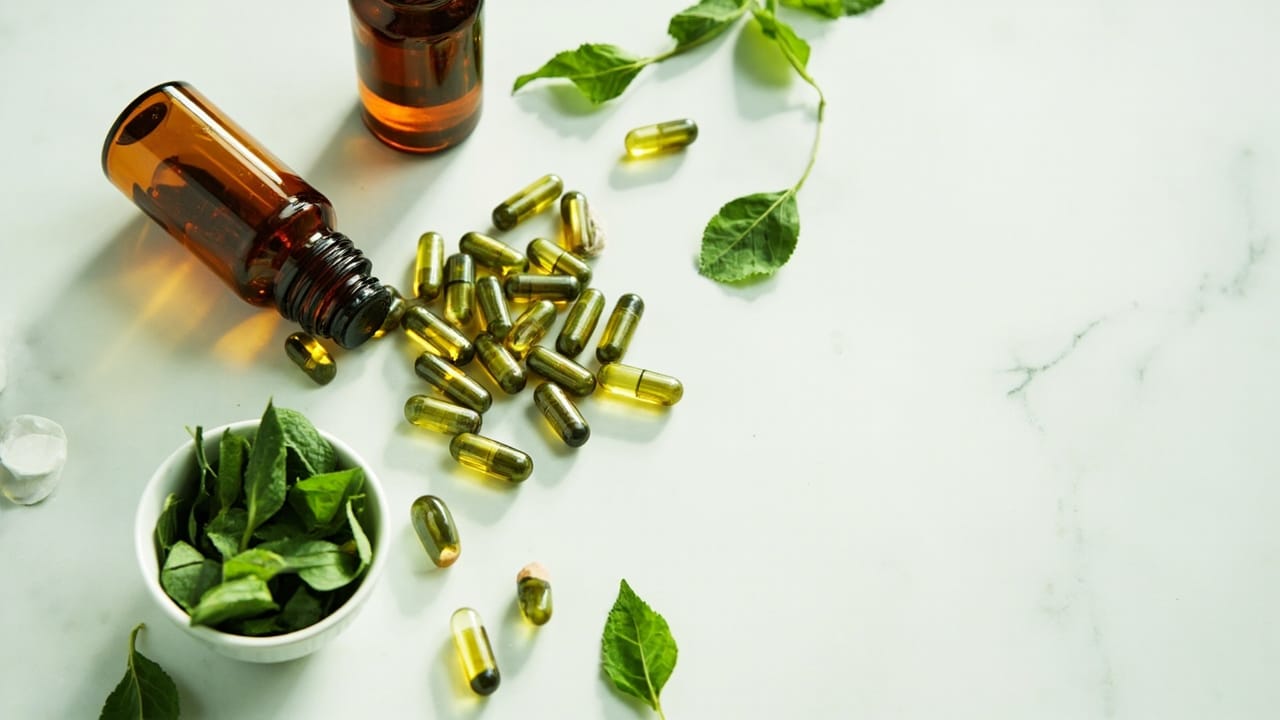
Green tea extract for weight loss is a concentrated form of the active compounds in green tea leaves. It comes packaged into capsules, tablets, or powders so you can take a much higher dose than brewed tea.
Most products are standardized to contain a specific percentage of catechins, the polyphenol antioxidants believed to drive most of the metabolic effects.
The most studied catechin is epigallocatechin-3-gallate, usually written as EGCG. A typical capsule delivers 200 to 400 mg of EGCG, roughly equivalent to the catechin content of 7 to 10 cups of regular brewed green tea.
Green tea itself comes from the plant Camellia sinensis, the same species that produces black, white, and oolong tea. The difference between green and black tea is processing.
Green leaves are steamed and dried soon after picking, which preserves the catechins. Black tea leaves are fermented, which converts most catechins into theaflavins.
If you are evaluating it, the things that matter most are the EGCG content per serving, whether caffeine is included, and whether the product has been third-party tested for purity.
How Green Tea Extract for Weight Loss Works in the Body
The proposed mechanisms fall into four overlapping categories: thermogenesis, fat oxidation, blood sugar regulation, and modest appetite effects. None of them on their own produces dramatic results, and that is an important expectation to set before you start.
Thermogenesis and energy expenditure
Thermogenesis is the process by which your body burns calories to produce heat. A 2017 meta-analysis in the Journal of Nutritional Biochemistry looked at eight randomized controlled trials on EGCG.
The pooled result showed a mean increase in energy expenditure of about 158 kJ per day compared to placebo. That is roughly the energy in a small banana, not a meal.
The mechanism involves catechins interacting with brown adipose tissue and sympathetic nervous system activity. When the extract raises energy expenditure slightly above baseline, the daily calorie gap widens a little, which over months can add up to a small but measurable weight change.
Fat oxidation during rest and exercise
Fat oxidation is the rate at which your body breaks down stored fat for fuel. Several small trials have shown that the extract can shift substrate use toward fat, particularly during moderate-intensity exercise.
The same meta-analysis reported a small but statistically significant drop in respiratory quotient after EGCG intake, which is consistent with more fat being burned relative to carbohydrate.
This does not mean the extract melts fat on its own. The shift is real but small, on the order of a few percent during exercise. You still need to be in a calorie deficit for stored fat to actually shrink.
Caffeine synergy
Many products combine catechins with caffeine, and there is good reason for that. A 2017 systematic review in Nutricion Hospitalaria found that the supplement was most effective when paired with 80 to 300 mg of caffeine per day in people who were not already heavy caffeine users.
Caffeine on its own raises energy expenditure and improves fat oxidation. Catechins appear to prolong the effect of caffeine by slowing its breakdown in the liver. Together, the combination produces a slightly larger thermogenic response than either ingredient alone.
Blood sugar and appetite
Some short-term studies suggest the extract can blunt post-meal blood sugar spikes, which may indirectly help with appetite control.
The mechanism appears to involve inhibition of carbohydrate-digesting enzymes in the gut and improved insulin sensitivity. The appetite effect is modest and not consistent across all studies, so do not expect the extract to suppress hunger on its own.
What the Research on Green Tea Extract for Weight Loss Shows
When you read the clinical literature on green tea extract for weight loss, the honest summary is that the effect is real but small. The largest and most rigorous review to date is the Cochrane Review published in 2012, which pooled 14 randomized controlled trials covering more than 1,500 participants.
In studies conducted outside Japan, the Cochrane Review found a mean difference in weight loss of minus 0.04 kg compared to placebo, which is not statistically significant.
In studies conducted in Japan, the range of weight loss was minus 0.2 kg to minus 3.5 kg in favor of the extract, but the studies were too different from each other to pool reliably.
Body mass index changes were similarly small. The National Center for Complementary and Integrative Health, part of the U.S. National Institutes of Health, summarizes the evidence this way: catechins and caffeine in green tea and its extracts may have a modest effect on body weight.
That phrasing is the most accurate single description of what green tea extract for weight loss can realistically do.
A few important caveats. Most of the positive studies used the supplement in combination with calorie restriction or exercise.
The studies that compared the extract to placebo without any other intervention tended to show the smallest differences.
If you are already in a calorie deficit and adding structured training, the marginal contribution is real. If you are not, the effect is likely to be negligible.
There is also substantial variability between products. The Cochrane Review noted that the dose of catechins, the source of the extract, and whether caffeine was included all influenced outcomes.
A generic supermarket capsule is not the same thing as a high-EGCG standardized extract used in clinical trials.
How Much Green Tea Extract for Weight Loss to Take
The doses used in the research on green tea extract for weight loss range from about 100 mg of EGCG per day in lighter studies to 800 mg of EGCG per day in heavier ones. The middle of that range, around 300 to 500 mg of EGCG per day, appears to be where most of the consistent effects show up.
Look for products that list the EGCG content per capsule rather than just the total extract weight. A capsule that says 500 mg green tea extract without breaking down the catechin content is less useful than one that says 500 mg green tea extract, standardized to 50 percent EGCG, providing 250 mg EGCG.
Timing matters too. Taking the extract with food reduces the chance of stomach upset and may also slow absorption in a way that produces steadier blood levels.
Many studies had participants take the extract in two divided doses, morning and early afternoon. Avoid taking it within six hours of bedtime, especially if the product contains caffeine, because it can interfere with sleep.
Most studies on green tea extract for weight loss ran for 12 weeks or longer. If you are not seeing any change on the scale after 8 to 12 weeks at a reasonable dose, the extract is unlikely to start working for you at that point.
Safety and Side Effects of Green Tea Extract for Weight Loss
The safety profile of green tea extract for weight loss depends heavily on whether you are drinking brewed green tea or taking a concentrated supplement. Drinking a few cups of green tea per day is generally recognized as safe for most adults and has been consumed in Asia for centuries.
Concentrated green tea extract for weight loss is a different story. The National Center for Complementary and Integrative Health lists several side effects reported with supplements, including nausea, constipation, abdominal discomfort, and increased blood pressure. The caffeine content can cause jitteriness, rapid heartbeat, and insomnia, especially in people who are sensitive to stimulants.
The more serious safety concern is liver injury. Although uncommon, cases of liver toxicity have been reported in some people who used green tea products, primarily in tablet or capsule form.
The U.S. National Library of Medicine maintains a LiverTox database entry on green tea, and the National Institutes of Health has called for more research into the dose threshold above which liver risk increases.
For most healthy adults, taking green tea extract for weight loss at the doses used in clinical trials, meaning roughly 300 to 500 mg of EGCG per day from a third-party tested product, appears to carry a low risk of serious side effects.
The liver-injury cases tend to cluster around very high doses, poor-quality products, and people with pre-existing liver conditions.
Stop taking the supplement and consult a doctor if you develop yellowing of the skin or eyes, dark urine, severe stomach pain, persistent fatigue, or any other unusual symptoms. These can be early signs of liver stress.
Medication Interactions With Green Tea Extract for Weight Loss
The extract can interact with several common medications, and this is the area where most preventable problems occur. The most documented interaction is with atorvastatin, a widely prescribed cholesterol-lowering drug.
The extract can reduce blood levels of atorvastatin, making the medication less effective. Other potential interactions include blood thinners such as warfarin, certain blood pressure medications, some antidepressants, and stimulant medications used for attention deficit hyperactivity disorder.
The caffeine content of many green tea extract for weight loss products adds an additional layer of interaction risk with these drugs.
If you take any prescription medication regularly, talk to your doctor or pharmacist before starting the supplement. Bring the actual bottle if possible so the clinician can see the dose and the other ingredients.
Do not assume that because a supplement is sold over the counter it is automatically safe to combine with your prescriptions.
Special caution is warranted during pregnancy and breastfeeding. The caffeine in the extract crosses the placenta and passes into breast milk.
The American College of Obstetricians and Gynecologists recommends that pregnant people keep total caffeine intake at moderate levels. Concentrated green tea extract for weight loss is generally not recommended during pregnancy or breastfeeding.
Choosing a Green Tea Extract for Weight Loss Supplement
Supplement quality varies widely, and choosing a well-made product matters more than most people realize. Look for products that carry a third-party certification seal from a recognized organization such as U.S. Pharmacopeia, NSF International, or ConsumerLab.
These certifications verify that the product actually contains what the label says and is free from common contaminants.
Read the label carefully. A good green tea supplements will list the total extract weight, the percentage standardization, the EGCG content per serving, and the caffeine content per serving. If any of those numbers are missing, that is a red flag.
Also check the inactive ingredients for anything you are allergic to or trying to avoid, such as artificial fillers, titanium dioxide, or magnesium stearate from questionable sources.
Avoid products that make dramatic weight loss claims. Any supplement that promises you will lose a specific number of pounds in a specific time frame without changing diet or exercise is not being honest.
the extract is a small supportive tool, not a magic ingredient. Price is not always a reliable guide to quality, but extremely cheap products are more likely to cut corners on sourcing and standardization.
Mid-range products from established supplement brands are usually a safer bet than bargain-bin options.
Pairing Green Tea Extract for Weight Loss With Diet and Exercise
The most consistent finding in the research is that the supplement works best when it is added to an existing calorie deficit and exercise routine, not used in place of one. Think of it as a small amplifier, not a foundation.
For diet, focus on a moderate calorie deficit of about 300 to 500 calories per day, which is sustainable for most people over months.
Combine that with adequate protein, around 1.6 to 2.2 grams per kilogram of body weight per day if you are also doing resistance training. The supplement fits naturally alongside a balanced eating pattern without requiring any special diet.
For exercise, a combination of resistance training and moderate-intensity cardio is the most reliable way to drive fat loss while preserving muscle.
this supplement may give you a small additional bump in fat oxidation during cardio sessions, which is why many people take it 30 to 60 minutes before exercise.
Other foundational habits matter just as much, and often more, than any supplement. Sleep, stress management, and consistent meal timing all influence the hormones that regulate appetite and fat storage.
If you optimize those first and then add green tea on top, the marginal benefit is real. If you skip those basics and rely on the supplement alone, you will likely be disappointed.
Frequently Asked Questions About Green Tea Extract for Weight Loss
How long does it take for green tea extract for weight loss to work?
Most clinical studies that showed measurable effects ran for at least 12 weeks. If you are not seeing any change after 8 to 12 weeks at a reasonable dose, the extract is probably not going to work for you. Expect a small, steady contribution rather than a sudden drop on the scale.
Can I drink green tea instead of taking green tea extract for weight loss?
You can, but you would need to drink a lot of it. A typical cup of brewed green tea contains around 50 to 100 mg of catechins. Reaching the 300 to 500 mg of EGCG used in clinical trials would mean drinking 5 to 10 cups per day, which adds up to a substantial amount of caffeine.
Is green tea extract for weight loss safe for people with high blood pressure?
Caffeine can raise blood pressure temporarily, and supplements that contain caffeine may not be appropriate for people with uncontrolled hypertension. Decaffeinated versions exist, but the metabolic effects may be smaller. Talk to your doctor before starting.
Does green tea extract for weight loss interact with birth control?
There is no strong evidence that the extract interacts with hormonal contraceptives in a clinically meaningful way, but the caffeine content can amplify some side effects like breast tenderness in sensitive individuals. As with any supplement, it is worth running past your prescribing clinician.
What is the best time of day to take green tea extract for weight loss?
Morning or early afternoon, ideally with food. Taking it later in the day can disrupt sleep, especially if the product contains caffeine. Splitting the dose into two servings, morning and lunchtime, can also reduce the chance of stomach upset.
Will green tea extract for weight loss help me lose belly fat specifically?
No supplement can target fat loss to a specific body region. The extract contributes to overall fat loss, and where you lose fat first is determined by genetics, sex, and body composition. Abdominal fat does tend to respond well to the combination of calorie deficit, resistance training, and moderate cardio.
Can I take green tea extract for weight loss with other supplements?
Generally yes, but watch for caffeine overlap. Combining the extract with another caffeinated supplement like a pre-workout or fat burner can push total daily caffeine intake above safe levels, especially if you also drink coffee. Total caffeine intake under 400 mg per day is a reasonable ceiling for most healthy adults.
Related Reading on Green Tea Extract for Weight Loss and Diet
- Metabolism Boosting Foods for Beginners: 10 Powerful Picks That Actually Work in 2026
- Low Carb Meal Plan for Beginners: 7-Day Starter Guide That Actually Works in 2026
- Keto Meal Plan for Beginners: 7-Day Starter Guide That Actually Works in 2026
- Balanced Meals Benefits for Weight Loss: 7 Amazing Advantages (2026)
- Weight Loss for Women Over 40: 7 Proven Strategies That Actually Work in 2026
The Bottom Line on Green Tea Extract for Weight Loss
this extract is one of the better-studied dietary supplements for fat loss, with a real but modest effect on body weight in clinical trials.
The catechins, especially EGCG, paired with the natural caffeine in green tea produce a small increase in energy expenditure and a slight shift toward fat oxidation. Over weeks and months, that adds up to a small but measurable contribution to weight loss when combined with a calorie deficit and exercise.
The honest expectation is that the supplement will not transform your body on its own. It is a useful adjunct, not a primary driver.
For most healthy adults, taking a third-party tested product at a dose of 300 to 500 mg of EGCG per day, split into two servings with food, is a reasonable approach.
Pay attention to safety, especially if you take prescription medications or have any liver concerns. Stop the supplement and consult a clinician if you develop any unusual symptoms.
And remember that the basics, including sleep, protein intake, resistance training, and a sustainable calorie deficit, will do more for your results than any pill or extract ever will.
Sources
- National Center for Complementary and Integrative Health. Green Tea: Usefulness and Safety. https://www.nccih.nih.gov/health/green-tea
- Jurgens TM, Whelan AM, Killian L, Doucette S, Kirk S, Foy E. Green tea for weight loss and weight maintenance in overweight or obese adults. Cochrane Database Syst Rev. 2012. https://pubmed.ncbi.nlm.nih.gov/23235664/
- Vázquez Cisneros LC, et al. Effects of green tea and its epigallocatechin (EGCG) content on body weight and fat mass in humans: a systematic review. Nutr Hosp. 2017. https://pubmed.ncbi.nlm.nih.gov/28627214/
- Kapoor MP, et al. Physiological effects of epigallocatechin-3-gallate (EGCG) on energy expenditure for prospective fat oxidation in humans. J Nutr Biochem. 2017. https://pubmed.ncbi.nlm.nih.gov/27883924/
Authoritative Sources
This guide on green tea extract for weight loss references research and recommendations from CDC Healthy Eating Mayo Clinic Weight Loss Basics. These sources provide the clinical and scientific foundation for the strategies discussed above.
Medical Disclaimer: This article is for informational purposes only and does not constitute medical advice. Consult a qualified healthcare provider before starting any weight loss program.