If you have just heard about the ketogenic diet and you want a plan you can follow starting tomorrow, you have landed on the right page. This keto meal plan for beginners walks you through exactly what to eat, when to eat it, and how to avoid the common mistakes that send most people back to carbs within three weeks.
You will learn the right macro split, the foods that fill your grocery cart, the ones you put back on the shelf, and a full 7-day rotation of simple meals that keep you under 30 grams of net carbs per day. By the end of this guide you will have a clear, printable roadmap for your first 30 days on keto, plus a FAQ section that answers the questions every beginner asks in week one. Let us get started.
1. Build a Clear Baseline for Keto Meal Plan For Beginners
- What Is a Keto Meal Plan for Beginners and Why It Works
- Macros Explained: The Fat, Protein, and Carb Ratio
- Foods to Eat on a Keto Meal Plan for Beginners
- Foods to Avoid on Your Keto Meal Plan for Beginners
- 7-Day Keto Meal Plan for Beginners (Ready to Print)
- Grocery List for Your First Keto Meal Plan for Beginners Week
- Keto Flu, Side Effects, and How to Power Through Week One
- 7 Common Mistakes on a Keto Meal Plan for Beginners
- Frequently Asked Questions About a Keto Meal Plan for Beginners
- Related Reading
What Is a Keto Meal Plan for Beginners and Why It Works
A keto meal plan for beginners is a structured way of eating that trains your body to burn fat for fuel instead of glucose. You do that by cutting net carbohydrates down to roughly 20 to 50 grams per day, keeping protein moderate, and pushing fat up to around 70 to 75 percent of your daily calories. When carb intake stays that low for two to seven days, your liver starts converting fatty acids into ketone bodies, and your brain, muscles, and other tissues begin running on those ketones. That metabolic state is called nutritional ketosis, and it is the foundation of every effective keto meal plan for beginners.
The science behind this switch is well documented. A 2008 pilot study published in the National Institutes of Health PubMed Central archives followed 83 obese patients on a very low carbohydrate ketogenic diet for 24 weeks. Researchers recorded significant reductions in body weight, body mass index, and triglyceride levels, with most of the change happening in the first 12 weeks. The same paper noted improvements in LDL cholesterol patterns and a drop in fasting blood glucose for participants with type 2 diabetes. The takeaway is consistent with what most beginners notice in the first month on a structured keto meal plan for beginners: weight comes off, blood sugar stabilizes, and cravings flatten out.
Why does a beginner need a meal plan at all? Because the ketogenic diet has rules that feel strange at first. Bread, rice, pasta, fruit, most dairy, and many vegetables that you have always considered “healthy” suddenly become off-limits or sharply limited. A clear plan removes the daily guessing game. You know what to buy, you know how to combine ingredients, and you know roughly what your plate should look like at each meal. That structure is what turns the keto meal plan for beginners from a fad into a sustainable habit.
This guide is written for someone who is brand new to low-carb eating. If you have never counted a macro in your life, you will find simple explanations and a 7-day rotation that uses common grocery store ingredients. If you have tried keto before and bounced off because of fatigue or boredom, the mistake checklist near the end of this article will help you troubleshoot. Either way, treat this as a starting point, not a permanent contract. Many people follow a strict keto meal plan for beginners for the first 30 to 90 days, then transition to a low-carb or cyclical version that fits their long-term lifestyle.

- Fat: 70 to 75 percent of daily calories. This is the new dominant fuel. Think butter, olive oil, avocado, cheese, cream, fatty cuts of meat, eggs, and nuts.
- Protein: 20 to 25 percent of daily calories. Protein supports muscle maintenance, immune function, and satiety, but too much can push you out of ketosis. Aim for roughly 0.8 to 1.0 grams of protein per pound of lean body mass.
- Net Carbs: 5 to 10 percent of daily calories, which translates to about 20 to 50 grams of net carbs per day for most adults. Net carbs are total carbohydrates minus fiber and sugar alcohols.
How do you turn those percentages into real numbers? A quick method is to pick a calorie target based on your goals. For a moderate weight-loss calorie goal of 1,800 calories per day, the breakdown looks like this.
- Fat: 1,800 x 0.72 = 1,296 calories, divided by 9 = 144 grams of fat per day
- Protein: 1,800 x 0.22 = 396 calories, divided by 4 = 99 grams of protein per day
- Net Carbs: 1,800 x 0.06 = 108 calories, divided by 4 = 27 grams of net carbs per day
You do not have to weigh every morsel forever, but tracking for the first two to three weeks of your keto meal plan for beginners is non-negotiable. The data tells you whether you are actually in ketosis, where hidden carbs are sneaking in, and whether you are under-eating protein. After that initial calibration window, most people can eyeball portions and stay in range without an app.
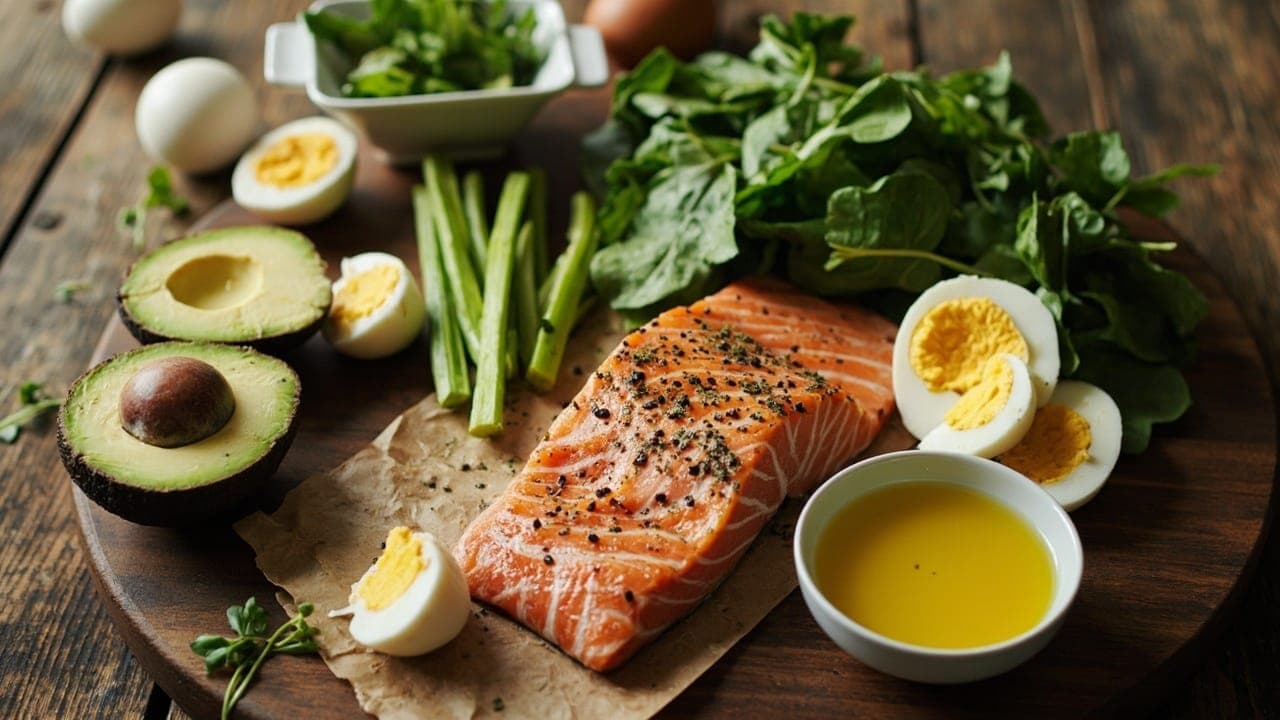
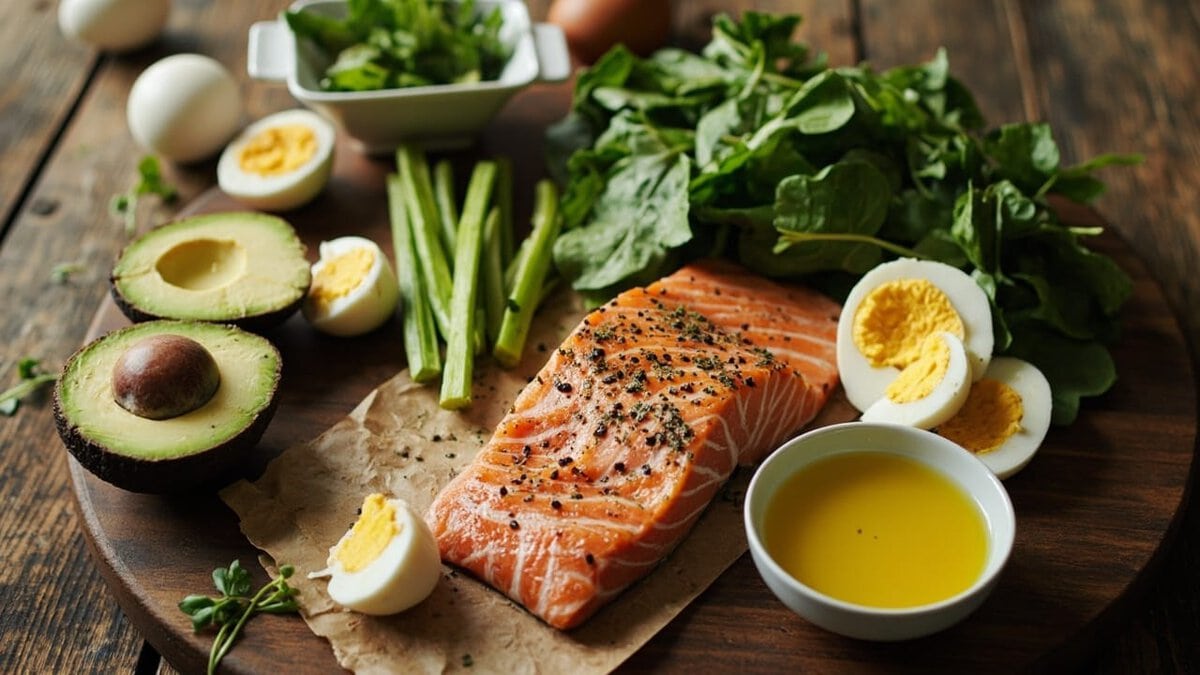
One common misunderstanding: the keto meal plan for beginners is not an “all bacon and butter” free-for-all. Processed meats are fine in moderation, but the foundation of a healthy keto plan is whole-food fat: eggs, salmon, sardines, steak, chicken thighs with skin, pork belly, avocados, olive oil, coconut oil, butter, cream, hard cheeses, seeds, and low-carb vegetables. A meal plan built on those ingredients supports heart health, hormone balance, and long-term adherence.
Foods to Eat on a Keto Meal Plan for Beginners
Stock your kitchen with the right staples and the rest of the keto meal plan for beginners almost builds itself. Here is a starter list, organized by category, that covers everything you need for the 7-day rotation later in this article.
Proteins: Eggs, chicken thighs and wings, ribeye steak, ground beef (80/20), pork chops, salmon, sardines, tuna, shrimp, bacon, sausage without sugar fillers, deli meats without added starch or sugar, and firm tofu for vegetarians. Look for unprocessed, pasture-raised, or wild-caught options when you can afford them.
Fats and Oils: Butter, ghee, extra virgin olive oil, avocado oil, coconut oil, MCT oil, lard, tallow, heavy whipping cream, sour cream, cream cheese, mayonnaise made with avocado or olive oil, and avocado. These are the calorie-dense ingredients that keep you full between meals.
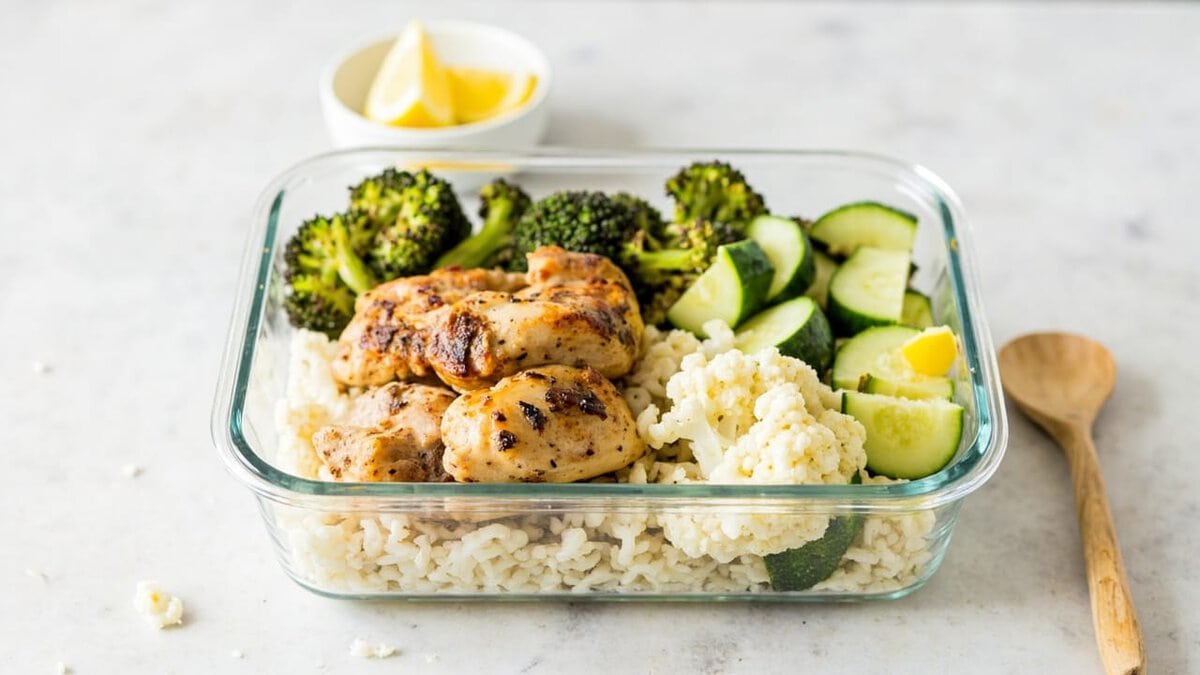
Low-Carb Vegetables: Spinach, kale, arugula, romaine, broccoli, cauliflower, Brussels sprouts, zucchini, spaghetti squash, asparagus, green beans, bell peppers (in moderation), mushrooms, cabbage, cucumber, and celery. Most of these deliver 1 to 5 grams of net carbs per cup, leaving plenty of room in your daily budget.
Cheese and Dairy: Cheddar, mozzarella, parmesan, brie, feta, goat cheese, halloumi, blue cheese, full-fat plain Greek yogurt (unsweetened), cottage cheese, and heavy cream. Always check the label, because some yogurts and cottage cheeses add starches that push carbs higher than expected.
Nuts, Seeds, and Low-Carb Fruits: Almonds, walnuts, pecans, macadamia nuts, Brazil nuts, chia seeds, flax seeds, hemp hearts, pumpkin seeds, and unsweetened coconut flakes. For fruit, stick to raspberries, blackberries, and strawberries, all of which come in under 5 grams of net carbs per half cup.
Beverages and Extras: Water, sparkling water, black coffee, plain tea, bone broth, sugar-free electrolyte drinks, vanilla extract, cinnamon, herbs, salt, and pepper. Avoid anything with sugar, honey, agave, or high-fructose corn syrup, including most kombucha and flavored waters.
Foods to Avoid on Your Keto Meal Plan for Beginners
Just as important as knowing what to eat is knowing what to leave on the shelf. The biggest mistake on a keto meal plan for beginners is underestimating hidden carbs in foods that look healthy. Scan this list once and tape it inside a kitchen cabinet if you have to.
- Grains and Starches: Bread, pasta, rice, oats, quinoa, couscous, barley, corn, and anything labeled “whole grain” still contains enough carbs to kick you out of ketosis.
- Sugar and Sweeteners: Table sugar, brown sugar, honey, maple syrup, agave, coconut sugar, and most artificial sweeteners that contain maltodextrin or dextrose. Acceptable substitutes include erythritol, monk fruit, allulose, and stevia.
- Most Fruits: Bananas, apples, grapes, mangoes, pineapples, oranges, and dried fruit of any kind. The sugar load is too high for a daily keto meal plan for beginners.
- Starchy Vegetables: Potatoes, sweet potatoes, yams, parsnips, peas, and corn. These are starch bombs by keto standards.
- Legumes: Beans, lentils, chickpeas, peanuts (technically a legume), and edamame. Even small portions can blow past your daily carb budget.
- Sugary Drinks: Soda, juice, sweet tea, energy drinks, flavored coffee drinks, and alcohol mixers that contain sugar or juice. Wine and dry spirits are options, but they need to be measured.
- Most Sauces and Condiments: Ketchup, BBQ sauce, sweet chili sauce, teriyaki, and many salsas contain added sugar. Read labels and stick to mustard, mayo, hot sauce, and salsa with no added sugar.
- Snack Foods Marketed as “Low Fat”: Granola bars, rice cakes, pretzels, and most protein bars. They are usually loaded with sugar or starch to make up for the missing fat.
Whenever you pick up a packaged food, flip it over and check three things on the nutrition label: total carbohydrates, dietary fiber, and added sugars. Subtract fiber from total carbs to get net carbs, which is the number that matters for a keto meal plan for beginners. If the product has more than 5 grams of net carbs per serving and is not a vegetable, leave it on the shelf.
7-Day Keto Meal Plan for Beginners (Ready to Print)
The following 7-day rotation uses simple ingredients you can find at any standard grocery store. Each day stays under 30 grams of net carbs and provides 70 to 90 grams of protein. Feel free to repeat meals you like, swap proteins (chicken for fish, beef for pork), and adjust portions to your calorie target. The point of a beginner keto meal plan is to remove decisions, not to lock you into one specific recipe.
Day 1
Breakfast: Three scrambled eggs cooked in butter with two slices of bacon and a half-cup of sautéed spinach.
Lunch: Chicken Caesar salad with romaine, grilled chicken thigh, parmesan, and full-fat Caesar dressing (no croutons).
Dinner: Pan-seared salmon with roasted broccoli drizzled in olive oil and a side of avocado.
Snack: One ounce of macadamia nuts and a hard-boiled egg.
Day 2
Breakfast: Greek yogurt bowl with 1 cup of full-fat plain Greek yogurt, a quarter cup of blackberries, two tablespoons of chia seeds, and a tablespoon of slivered almonds.
Lunch: Tuna salad lettuce wraps with two cans of tuna, mayo, celery, dill, and pickles wrapped in romaine leaves.
Dinner: Ground beef stir-fry with bell peppers, zucchini, mushrooms, and soy sauce served over cauliflower rice.
Snack: One ounce of cheese and a handful of olives.
Day 3
Breakfast: Keto chia pudding made with half a cup of coconut milk, two tablespoons of chia seeds, vanilla extract, and a dash of cinnamon.
Lunch: Cobb salad with mixed greens, hard-boiled egg, bacon, avocado, blue cheese, and ranch dressing.
Dinner: Pork chops pan-fried in butter with roasted Brussels sprouts and a side of cream cheese spinach.
Snack: One ounce of walnuts and a small piece of 85 percent dark chocolate.
Day 4
Breakfast: Two-egg cheese omelet with sautéed mushrooms and a side of avocado.
Lunch: Bun-less burger patty wrapped in lettuce with cheese, tomato, onion, pickles, and a side of cucumber salad.
Dinner: Chicken thighs baked with garlic, rosemary, and butter, served with a cauliflower mash.
Snack: Celery sticks with cream cheese and everything bagel seasoning.
Day 5
Breakfast: Smoked salmon plate with cream cheese, capers, red onion, and cucumber slices.
Lunch: Zucchini noodles with pesto, grilled chicken, cherry tomatoes, and shaved parmesan.
Dinner: Ribeye steak with sautéed garlic mushrooms and a side of asparagus in olive oil.
Snack: One ounce of pecans and a small serving of full-fat cottage cheese.
Day 6
Breakfast: Keto pancakes made with two eggs, two tablespoons of almond flour, a tablespoon of cream cheese, and a dash of vanilla, topped with butter and a few berries.
Lunch: Egg salad with avocado, mayo, and mustard served in half an avocado as a bowl.
Dinner: Shrimp and broccoli stir-fry cooked in coconut oil with ginger, garlic, and a splash of tamari.
Snack: One ounce of pumpkin seeds and a piece of cheese.
Day 7
Breakfast: Crustless quiche with eggs, heavy cream, spinach, bacon, and cheese.
Lunch: Big mixed-green salad with grilled chicken, avocado, sunflower seeds, hard-boiled egg, and olive oil vinaigrette.
Dinner: Meatballs in marinara (low-sugar sauce) over zucchini noodles, finished with parmesan and fresh basil.
Snack: One ounce of dark chocolate (85 percent or higher) and a small handful of raspberries.
This is a flexible framework, not a prescription. The most useful thing about a 7-day beginner keto meal plan is that it removes the mental load of deciding what to eat. Once you have a rhythm, you can rotate proteins, change the vegetables by season, and experiment with new recipes without losing track of your macros.

Grocery List for Your First Keto Meal Plan for Beginners Week
Here is a one-week grocery list sized for one person following the meal plan above. Multiply quantities as needed for additional household members. The list is grouped by aisle to make the trip faster.
Proteins (target 1.5 to 2 pounds total): 1 dozen eggs, 1 pound bacon, 1.5 pounds chicken thighs, 1 pound ground beef, 1 pound ribeye or sirloin steak, 1 pound salmon fillet, 4 to 6 pork chops, 1 pound shrimp, 2 cans of tuna, 1 rotisserie chicken or cooked chicken breast (optional, for emergency lunches).
Produce: 2 bags of romaine, 1 bag of spinach, 1 head of broccoli, 1 pound Brussels sprouts, 2 zucchini, 1 head of cauliflower (or one bag of riced cauliflower), 1 red bell pepper, 1 cucumber, 2 avocados, 1 pint of cherry tomatoes, 1 bunch of asparagus, 1 bag of mushrooms, 1 small container of blackberries, 1 lemon, fresh basil or rosemary, garlic, ginger.
Dairy and Refrigerated: 1 pound of butter, 1 small tub of ghee, 1 quart of heavy whipping cream, 1 small container of sour cream, 1 block of cream cheese, 1 small container of cottage cheese, 1 container of full-fat plain Greek yogurt, 1 wedge of parmesan, 1 small block of cheddar, 1 small container of blue cheese or feta, 1 package of mozzarella.
Pantry: Extra virgin olive oil, avocado oil, coconut oil, mayonnaise, almond flour, chia seeds, walnuts, macadamia nuts, pecans, pumpkin seeds, dark chocolate (85 percent or higher), low-carb marinara sauce, soy sauce or tamari, mustard, salt, pepper, cinnamon, vanilla extract, erythritol or monk fruit sweetener.
When you walk into the store, skip the middle aisles where the packaged food lives. Most of your cart should come from the perimeter: produce, meat counter, and dairy. The few packaged items on this list are ingredients, not snacks, and they will last for several weeks. If you build your cart this way every time, your keto meal plan for beginners will keep working long after the first week is over.
Keto Flu, Side Effects, and How to Power Through Week One
About two to five days into a strict keto meal plan for beginners, many people feel worse before they feel better. Headaches, fatigue, brain fog, irritability, nausea, and muscle cramps are common, and the cluster of symptoms is informally known as the “keto flu.” It is not a real virus, but the experience is real, and the cause is well understood: when you cut carbs, your body dumps water and the electrolytes that go with it. Sodium, potassium, and magnesium all take a hit, and your brain is running on a new fuel source for the first time.
The fastest way to minimize keto flu is to overcorrect on electrolytes during the first week. Aim for 5,000 to 7,000 milligrams of sodium per day, which is significantly more than standard dietary advice. Add 1,000 to 4,000 milligrams of potassium from low-carb sources like avocado, leafy greens, and salmon. For magnesium, 200 to 400 milligrams per day from a supplement or from pumpkin seeds, almonds, and dark chocolate will cover most beginners.
Bone broth is a one-step fix for the electrolyte gap and is the most recommended home remedy for keto flu symptoms. Drink one to two cups a day during the first week, especially if you feel lightheaded or crampy. Most beginners notice that the worst symptoms clear up by day seven, and many report better focus, steadier energy, and fewer cravings once they push through. If symptoms persist past two weeks, schedule a checkup with your doctor, especially if you are on blood pressure or diabetes medication.
Other common side effects of a keto meal plan for beginners include “keto breath,” a slightly fruity or metallic smell caused by acetone, one of the ketone bodies, leaving through your lungs. It is harmless and typically fades after the first two weeks. Constipation is another frequent complaint and is usually solved by adding more low-carb vegetables, drinking more water, and supplementing with magnesium citrate. If you find yourself constipated for more than three days, increase your non-starchy vegetable intake and consider a magnesium supplement before reaching for a fiber product, since many fiber supplements are loaded with hidden carbs.
7 Common Mistakes on a Keto Meal Plan for Beginners
Even with a solid plan, certain pitfalls catch almost every beginner. Skim this list before you start so you do not have to learn each one the hard way.
- Eating too much protein. A keto meal plan for beginners is high fat and moderate protein, not high protein. Excess protein converts to glucose through a process called gluconeogenesis and can stall weight loss. Stick to the macro targets in the section above.
- Forgetting hidden carbs. Sauces, condiments, deli meats, and “sugar-free” products often hide 5 to 15 grams of carbs per serving. Read every label during the first month.
- Not replacing electrolytes. The keto flu is almost always an electrolyte problem, not a fat-adaptation problem. Salt your food generously, drink broth, and add a magnesium supplement if you cramp.
- Overeating “keto-friendly” treats. Keto cookies, fat bombs, and sugar-free candy can be a useful transition, but they often stall weight loss because the calories are still calories. Treat them as occasional extras, not daily staples.
- Not tracking macros. Eyeballing portions works later, but during the first three weeks on a keto meal plan for beginners, tracking is the only way to know whether you are actually in ketosis.
- Ignoring fiber intake. Low-carb diets can be low in fiber if you cut vegetables along with sugar. Aim for 25 to 35 grams of fiber per day from low-carb vegetables, nuts, seeds, and chia.
- Quitting during the adaptation window. The first 7 to 14 days feel rough, and many beginners bounce off the diet right when the worst symptoms are about to clear. Plan to commit for 30 days before you decide whether keto works for you.

After you have run through this list once, your first month on a keto meal plan for beginners should feel manageable, predictable, and even enjoyable. The next section answers the questions that almost every beginner types into a search bar during week one.
Frequently Asked Questions About a Keto Meal Plan for Beginners
How long does it take to get into ketosis on a keto meal plan for beginners?
Most people enter nutritional ketosis within 2 to 7 days of holding net carbs under 30 grams per day. Exercise, fasting, and lower protein intake can speed the process, but the most reliable path is strict carb tracking for the first two weeks. You can confirm ketosis with urine strips, blood ketone meters, or a breath analyzer if you want hard data.
Can I drink alcohol on a keto meal plan for beginners?
Yes, but the choices are limited. Dry red wine, dry white wine, and straight spirits like whiskey, vodka, gin, and tequila are all low in carbs when consumed neat or with a sugar-free mixer. Avoid beer, sweet cocktails, mixers that contain juice or soda, and pre-made drinks. Alcohol also lowers ketone production temporarily, so do not judge your progress on a day you have been drinking.
Do I need to count calories on a keto meal plan for beginners?
For the first 30 days, focus on macros, not total calories. Many beginners naturally eat less because fat and protein are highly satiating, and counting calories on top of tracking carbs adds friction that leads to burnout. After the first month, if your weight loss has stalled, look at total calories and consider tightening portions.
What is the difference between net carbs and total carbs on a keto meal plan for beginners?
Net carbs are total carbohydrates minus dietary fiber minus sugar alcohols that do not affect blood sugar (such as erythritol and allulose). The net number is what matters for ketosis, because fiber passes through your digestive system without raising blood glucose. The label on a pack of broccoli lists 6 grams of total carbs and 2 grams of fiber, so the net count is 4 grams.
Is a keto meal plan for beginners safe long term?
Research on long-term ketogenic diets is mixed but generally positive for most healthy adults. Studies have shown benefits for weight, blood sugar, triglycerides, and HDL cholesterol. There are populations who should not follow a strict keto meal plan, including pregnant or breastfeeding women, people with certain kidney or liver conditions, and people with a history of disordered eating. Always check with your doctor before starting.
Can I build muscle on a keto meal plan for beginners?
Yes, but you will need to keep protein in the 0.8 to 1.0 grams per pound of lean body mass range, train with progressive overload, and accept that the early adaptation phase can reduce gym performance by 5 to 15 percent. Many strength athletes follow a cyclical version of the keto meal plan for beginners that includes strategic carb refeeds around heavy training days.
How do I know if my keto meal plan for beginners is actually working?
Look for three signals: weight loss of 1 to 3 pounds per week after the initial water drop, reduced hunger between meals, and steadier energy with fewer afternoon slumps. Blood ketone readings above 0.5 millimolar confirm nutritional ketosis. If you are not seeing these signals after 30 days, audit your macros, look for hidden carbs, and consider whether your calorie target is too high.
Related Reading
- Low Carb Meal Plan for Beginners: 7-Day Starter Guide
- Best Diet Planning for Weight Loss: 7 Proven Strategies
- Weight Loss for Women Over 40: 7 Proven Strategies That Work
- Healthy Meal Plans For Weight Loss 2026: 7 Proven Plans
- 7 High Protein Breakfast for Weight Loss Ideas
Sources & References: