




Medical Disclaimer: This content is for informational purposes only. Consult a qualified healthcare professional.
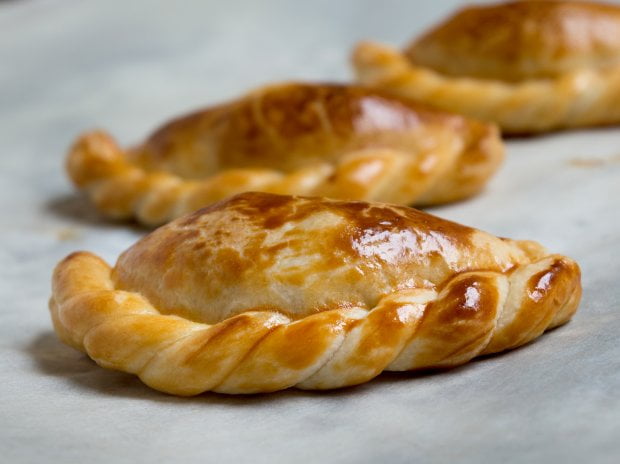
Spanish pastries are filled with some delicious ingredients, and these are seasoned with piquancy. This recipe of Spanish pastries is really easy to be followed and anyone can follow along. If we talk about how many calories you will get from this recipe then the answer is you will get 753 calories on the serving of 20 and per person, you will get 38 calories which are quite healthy.
We will be preparing these Spanish pastries in 65 minutes, so set your timers, and let’s get started:
Ingredients:
- 1 Pc egg
- 500 G Cake batter
- 180 G Eggplant
- 1 prize Chili powder
- 1 Pc Chilli pepper, red
- 1 Pc clove of garlic
- 120 G Manchego, cheese
- 40 G Olives, black
- 1 Tbsp olive oil
- 100 G Hot peppers, red
- 1 prize pepper
- 120 ml red wine
- 1 prize salt
- 1 Pc tomato
- 2 Tbsp Tomato paste
- 1 Pc onion
Method:
1. The first step to prepare these Spanish pastries is to wash and dice the eggplant and the tomato as well. Then you just have to peel and chop the garlic and onion. Now you have to wash the chili peppers, then cut it lengthways and then cut it in rings. Wash the peppers as well, and cut them in half, and then dice them just as small.
2. Take out the frying pan and fill it with oil for the deep fry of aubergine and pepperoni, and fry these both for 10 minutes and make sure you keep it stirring very well.
3. Then you just have to add the onions, chili, garlic, and tomato paste into the pan and then fry the whole thing for about 3 minutes more. After that, deglaze the whole thing with white wine and let it boil down.
4. In the meantime, you can cut the olives into slices and you can also grate the cheese as well. Now you have to fold both together with the diced tomatoes under the vegetables in the frying pan. Sprinkle the filling with salt, pepper, and chili powder.
5. Now you just have to roll up the dough and then cut out about 20 circles from it with a diameter of about 10cm each.
6. Put 1 tablespoon of filling in the center of each dough circle and then brush the edges of the circles with the beaten egg. Fold the dough circles, and try to give them the shape of a donut and then press its edges with the fork firmly. Now brush the whole circle with egg.
7. In this final step, you just have to place the Spanish pastries in the baking tray and the baking tray should be lined with baking paper, and then bake it in the oven for about 30 minutes or until they get golden-brown at 200 degrees. Then you are ready to serve your delicious dish.
Table of Contents
Sources & References
For further reading, here are the trusted sources we relied on while preparing this article:
Related Reading
Continue exploring with these hand-picked articles from Weight Loss Tips:
- Argentine Pastries Recipe
- Minced meat and olive pastries recipe
- Savory Pastries Recipe
- Chicken Pastries Recipe
The Nutritional Benefits of Spanish Pastries
When considering a Spanish Pastries Recipe, it’s important to understand the nutritional benefits these delightful treats can offer. Traditional Spanish pastries, such as churros, empanadas, and magdalenas, are often made with simple, wholesome ingredients that can contribute positively to a balanced diet when consumed in moderation.
For instance, churros are typically made with flour, water, and a bit of salt, then fried to golden perfection. While frying is not the healthiest cooking method, using heart-healthy oils like olive or avocado oil can mitigate some negative effects. Empanadas, on the other hand, can be filled with a variety of ingredients such as lean meats, vegetables, and legumes, providing a good source of protein and fiber. Magdalenas, or Spanish muffins, often contain olive oil and citrus zest, offering healthy fats and antioxidants.
According to a study published in the Journal of Nutrition and Food Sciences, traditional Spanish pastries can be part of a healthy diet if portion sizes are controlled and ingredients are chosen wisely. For example, substituting whole wheat flour for white flour can increase the fiber content, while using natural sweeteners like honey or maple syrup can reduce the sugar content.
Incorporating a Spanish Pastries Recipe into your diet can also provide essential nutrients. For example, pastries made with almonds or walnuts can offer healthy fats and vitamin E, while those containing citrus fruits can provide a boost of vitamin C. By making mindful ingredient choices, you can enjoy these treats while supporting your nutritional goals.
Adapting Spanish Pastries for a Healthier Diet
Adapting a Spanish Pastries Recipe for a healthier diet doesn’t mean you have to sacrifice flavor or tradition. With a few simple tweaks, you can enjoy these delicious pastries guilt-free. Here are some practical tips to make your Spanish pastries healthier:
- Use Whole Grains: Substitute refined flour with whole wheat, spelt, or almond flour to increase the fiber and nutrient content of your pastries.
- Opt for Healthy Fats: Replace butter or lard with heart-healthy oils like olive or coconut oil. This small change can significantly reduce saturated fat content.
- Control Sugar Levels: Use natural sweeteners such as honey, maple syrup, or stevia instead of refined sugar. You can also reduce the amount of sugar in your recipe by adding spices like cinnamon or nutmeg for flavor.
- Incorporate Fruits and Vegetables: Add grated apples, carrots, or zucchini to your pastry dough for added nutrients and moisture. This is particularly effective in empanada fillings or muffin batters.
- Choose Lean Proteins: When making savory pastries, opt for lean meats like chicken or turkey, or use legumes such as chickpeas or lentils for a plant-based option.
By implementing these changes, you can create a Spanish Pastries Recipe that is not only delicious but also aligned with your health and fitness goals. For instance, a study in the International Journal of Food Sciences and Nutrition found that substituting whole grains and reducing sugar in baked goods can lead to improved blood sugar control and reduced calorie intake.
Moreover, adapting traditional recipes can also introduce new flavors and textures, making your pastries more interesting and enjoyable. For example, adding roasted red peppers or spinach to empanada fillings can provide a savory depth, while using almond flour in magdalenas can give them a nutty, rich flavor.
Incorporating Spanish Pastries into a Balanced Diet
While it’s important to enjoy a Spanish Pastries Recipe in moderation, incorporating these treats into a balanced diet is possible with careful planning. The key is to view pastries as an occasional indulgence rather than a dietary staple. Here are some strategies to help you enjoy Spanish pastries while maintaining a healthy lifestyle:
- Portion Control: Instead of eating a large serving, opt for a smaller portion. This allows you to savor the taste without overindulging.
- Balance with Nutritious Foods: Pair your pastry with a side of fresh fruit or a handful of nuts to add nutrients and balance out the meal.
- Plan Your Meals: If you know you’ll be having a pastry, adjust your other meals to ensure you’re not exceeding your daily calorie and nutrient needs.
- Make It an Occasional Treat: Save Spanish pastries for special occasions or weekends to avoid making them a regular part of your diet.
- Stay Active: Regular exercise can help offset the extra calories from indulging in pastries. Consider going for a walk or doing a short workout after enjoying your treat.
Research published in the Journal of the Academy of Nutrition and Dietetics suggests that incorporating occasional treats into a balanced diet can actually help with long-term weight management by preventing feelings of deprivation. By allowing yourself to enjoy a Spanish Pastries Recipe in moderation, you can satisfy your cravings without derailing your health goals.
Additionally, involving family and friends in your pastry-making can turn it into a fun, social activity. Sharing your creations with loved ones not only enhances the experience but also encourages mindful eating, as you savor each bite in good company.
Exploring Regional Variations of Spanish Pastries
One of the fascinating aspects of a Spanish Pastries Recipe is the wide range of regional variations. Each area of Spain has its own unique take on pastries, offering a diverse array of flavors and textures to explore. For example, in the region of Galicia, you’ll find the famous Tarta de Santiago, an almond cake flavored with citrus zest and a hint of cinnamon. This pastry is a perfect example of how simple ingredients can be combined to create something truly special.
In the Basque Country, the Gâteau Basque is a popular treat, featuring a buttery crust filled with either cherry preserves or pastry cream. This pastry showcases the region’s love for rich, indulgent flavors. Meanwhile, in Andalusia, the Piononos de Santa Fe are small, sweet rolls soaked in syrup and filled with custard, offering a delightful combination of textures and sweetness.
Exploring these regional variations can be a fun way to expand your culinary horizons and discover new favorites. By trying out different Spanish Pastries Recipe variations, you can enjoy a taste of Spain’s rich culinary heritage while also finding healthier alternatives that suit your lifestyle.
For instance, you might experiment with using different types of flour or sweeteners in your pastry recipes, or try incorporating local, seasonal ingredients to give your pastries a unique twist. This not only keeps your baking exciting but also allows you to tailor your pastries to your personal taste and dietary needs.
Conclusion: Enjoying Spanish Pastries with Balance
In conclusion, a Spanish Pastries Recipe can be a delightful addition to your diet when enjoyed in moderation and with mindful choices. By understanding the nutritional benefits, adapting recipes for health, and exploring regional variations, you can enjoy these traditional treats while maintaining a balanced lifestyle. Remember, the key is balance and moderation, allowing yourself the pleasure of indulgence without compromising your health goals.
Whether you’re making churros, empanadas, or magdalenas, remember that the joy of baking and sharing pastries is as important as the treats themselves. So, gather your ingredients, invite some friends or family, and enjoy the process of creating and savoring your own Spanish Pastries Recipe.
Visual Guide


Frequently Asked Questions
What is spanish pastries recipe and why does it matter?
This depends on your specific situation, but the section on ingredients: covers the details. Most readers find that following a consistent approach with spanish pastries recipe delivers the best results. Read on for evidence-based guidance and step-by-step methods you can apply today.
How does spanish pastries recipe work in practice?
This depends on your specific situation, but the section on method: covers the details. Most readers find that following a consistent approach with spanish pastries recipe delivers the best results. Read on for evidence-based guidance and step-by-step methods you can apply today.
What are the main benefits of spanish pastries recipe?
Getting started with spanish pastries recipe is simpler than most people think. The key is following proven strategies consistently. This guide walks you through each step with practical examples and expert recommendations for lasting success.
How long does it take to see results from spanish pastries recipe?
Getting started with spanish pastries recipe is simpler than most people think. The key is following proven strategies consistently. This guide walks you through each step with practical examples and expert recommendations for lasting success.
What are common mistakes to avoid with spanish pastries recipe?
Getting started with spanish pastries recipe is simpler than most people think. The key is following proven strategies consistently. This guide walks you through each step with practical examples and expert recommendations for lasting success.