Medical Disclaimer: This content is for informational purposes only. Consult a qualified healthcare professional.
A low carb meal plan for beginners is the simplest way to start eating fewer refined starches and added sugars without counting a single macro on day one. This kind of plan swaps bread, pasta, rice, and most snack foods for protein, non-starchy vegetables, healthy fats, and fiber-rich fruit. The result is meals that keep you full for hours, steady your blood sugar, and make portion control almost automatic.
If you have tried calorie counting or fat tracking and bounced off, the problem was probably not your willpower. The problem was that the food itself worked against you. Refined carbs digest quickly, blood sugar spikes, and two hours later you are hungry again. A low carb meal plan for beginners fixes that pattern at the source by changing what is on your plate, not by adding more math.
This guide walks you through what a low carb meal plan for beginners actually looks like in 2026. You will get a full 7-day starter menu, a grocery list, the beginner mistakes that stall most people, and answers to the questions a beginner always asks. By the end you will have a plan you can start on Monday morning, even if you have never tracked a macro in your life.

1. Build a Clear Baseline for Low Carb Meal Plan For Beginners
- What Counts as Low Carb (and What Does Not)
- Why a Low Carb Meal Plan for Beginners Works for Weight Loss
- Your 7-Day Low Carb Meal Plan for Beginners
- Smart Grocery List for Your Low Carb Meal Plan for Beginners
- Common Beginner Mistakes to Avoid on a Low Carb Plan
- Health Considerations and When to Talk to a Doctor
- Frequently Asked Questions
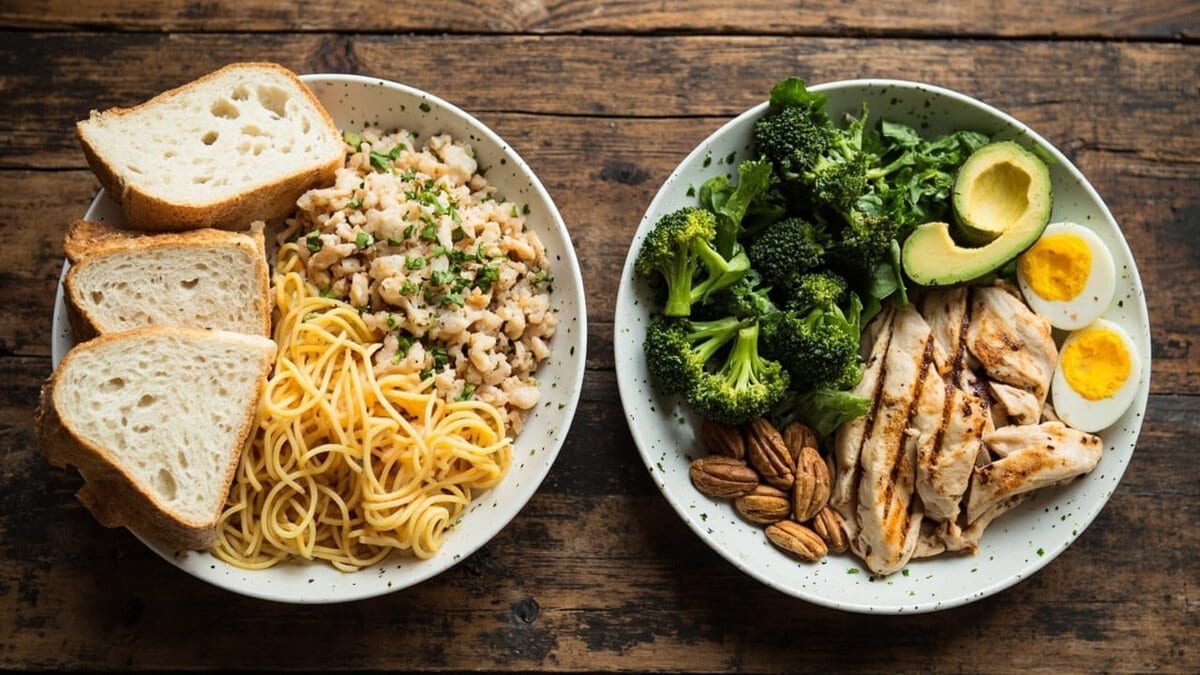
To build a low carb meal plan for beginners that actually works, it helps to separate carbs into two groups. The first group is what most people picture when they hear the word “carb.” White bread, white pasta, white rice, sugary cereal, pastries, and most packaged snack foods. These are highly processed starches and added sugars that digest fast and spike blood glucose. The American Heart Association notes that added sugars can raise triglyceride levels and increase the risk of cardiovascular disease, which is one reason a low carb meal plan for beginners often leads to better lab work within months.
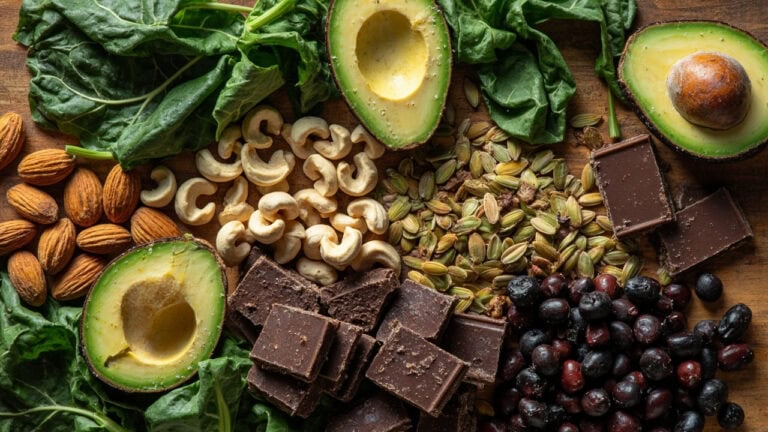
The second group is what you keep. Fiber-rich vegetables, beans and lentils in moderation, berries, nuts, seeds, and small portions of whole grains like oats or quinoa. Harvard T.H. Chan School of Public Health points out that fiber-rich complex carbohydrates take longer to digest, leave you feeling full longer, and supply energy more steadily than refined starches. A smart low carb meal plan for beginners does not strip these out. It just keeps the portions reasonable and makes protein and vegetables the stars of every plate.
A practical rule of thumb: if the food came in a box with a long ingredient list, treat it as a refined carb and limit it. If it came from a farm, a butcher, or an ocean, it is almost always fair game on a low carb meal plan for beginners.
Why a Low Carb Meal Plan for Beginners Works for Weight Loss
The weight loss effect of low carb eating has been tested in head-to-head trials for more than two decades. The landmark DIRECT trial, published in the New England Journal of Medicine in 2008, randomly assigned 322 moderately obese adults to one of three diets: a low-carbohydrate diet, a calorie-restricted Mediterranean diet, or a calorie-restricted low-fat diet. After two years, the low-carb group had lost an average of 4.7 kilograms, the Mediterranean group 4.4 kilograms, and the low-fat group 2.9 kilograms. The differences between the low-carb and Mediterranean groups were small, but both beat the low-fat group by a meaningful margin.
A 2018 meta-analysis in JAMA pooled data from 33 randomized trials with more than 2,500 participants and found that when calories and protein were matched, low-fat and low-carb diets produced similar weight loss. That sounds like a tie, but it actually reinforces the real beginner insight: total calories and protein matter, and the best diet is the one you can actually follow. A low carb meal plan for beginners often wins on adherence because hunger drops noticeably once refined starches are gone.
Three mechanisms drive the weight loss most beginners see in the first 8 to 12 weeks:
- Lower insulin, lower hunger. When carbs drop, blood sugar stays steadier. Insulin does not spike as often. Ghrelin, the hunger hormone, stays quieter. Most beginners report feeling full on fewer calories without trying.
- Higher protein, better satiety. A low carb meal plan for beginners naturally includes more eggs, poultry, fish, meat, tofu, and Greek yogurt. Protein is the most satiating macronutrient per calorie.
- Water and glycogen drop first. The first 4 to 6 pounds of weight loss on any low carb plan are mostly water and stored glycogen. This is real weight on the scale, but it shows up fast and motivates beginners to keep going.
The CDC guidance backs this approach. Their healthy meals and snacks recommendations emphasize protein at every meal, plenty of vegetables and fruit, and limiting saturated fat, highly processed foods, and added sugars. A low carb meal plan for beginners built on those principles is not a fad. It is just a sensible rebalancing of the plate.
Your 7-Day Low Carb Meal Plan for Beginners
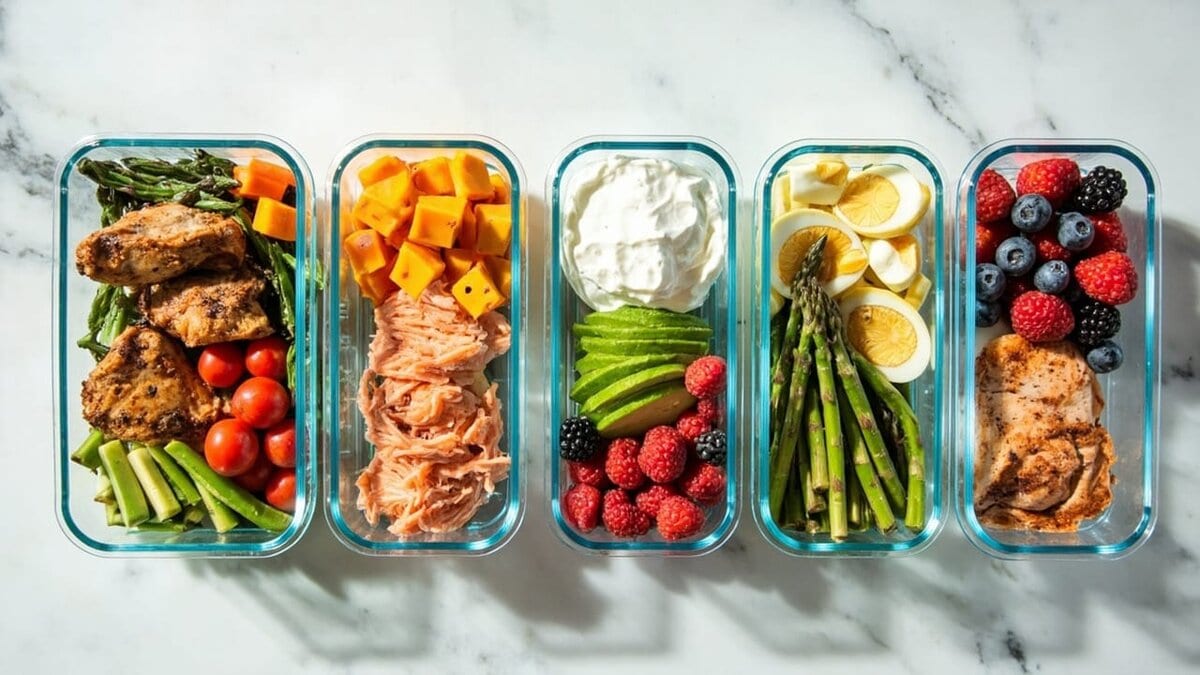
Each day below hits about 80 to 120 grams of total carbs, 90 to 130 grams of protein, and roughly 1,600 to 1,900 calories. Beginners who need more can add a second protein serving at any meal or add a small portion of nuts as a snack. Beginners who need less can drop the optional snack. The structure stays the same.
Day 1
Breakfast: Three scrambled eggs cooked in olive oil with a handful of spinach and one slice of avocado on the side. Coffee or tea with no added sugar.
Lunch: Grilled chicken salad with mixed greens, cucumber, cherry tomatoes, bell pepper, one tablespoon olive oil and lemon juice, and a sprinkle of feta.
Dinner: Pan-seared salmon (5 to 6 ounces), roasted broccoli with garlic and olive oil, and a small side of cauliflower rice.
Optional snack: One ounce of almonds and a piece of fruit such as an apple or a pear.
Day 2
Breakfast: Full-fat plain Greek yogurt with a handful of blueberries, two tablespoons of chia seeds, and a few walnut halves.
Lunch: Turkey and avocado lettuce wraps (use romaine or butter lettuce instead of tortillas) with mustard and sliced tomato.
Dinner: Lean ground beef skillet cooked with onions, garlic, zucchini, and diced tomatoes, finished with a sprinkle of shredded cheddar.
Optional snack: Two hard-boiled eggs and a small handful of olives.
Day 3
Breakfast: Two-egg omelet with mushrooms, bell pepper, spinach, and one ounce of cheese, plus a small orange or half a grapefruit.
Lunch: Tuna salad (canned tuna in olive oil, mixed with chopped celery, red onion, mayonnaise, lemon) served over mixed greens.
Dinner: Baked chicken thighs (skin on) with a side of roasted Brussels sprouts and one-third cup of quinoa.
Optional snack: Celery sticks with two tablespoons of almond butter.
Day 4
Breakfast: Cottage cheese (about 1 cup) topped with sliced strawberries, hemp seeds, and a drizzle of olive oil or pumpkin seeds.
Lunch: Shrimp and avocado bowl with cauliflower rice, lime, cilantro, and a drizzle of olive oil.
Dinner: Sheet-pan pork chops with asparagus and a small baked sweet potato (about 4 ounces).
Optional snack: A small piece of cheese and a few walnut halves.
Day 5
Breakfast: Smoked salmon with one scrambled egg, sliced cucumber, capers, and cream cheese.
Lunch: Mixed green salad topped with grilled chicken, one-quarter cup of black beans, corn, avocado, and olive oil dressing.
Dinner: Zucchini noodles tossed with ground turkey, marinara sauce (look for one with no added sugar), and a sprinkle of parmesan.
Optional snack: A handful of macadamia nuts and a small pear.
Day 6
Breakfast: Two slices of bacon, two eggs cooked your way, sautéed spinach, and one-third of an avocado.
Lunch: Cobb salad with grilled chicken, hard-boiled egg, bacon bits, avocado, tomato, and blue cheese crumbles.
Dinner: Baked cod (or any white fish) with lemon, olive oil, and herbs, served with a side of roasted cauliflower and a small portion of lentils.
Optional snack: One small piece of dark chocolate (85 percent cacao or higher) and a few almonds.
Day 7
Breakfast: Veggie and cheese frittata made with six eggs, spinach, bell pepper, and feta, served with a small portion of berries.
Lunch: Bun-less burger patty with sautéed mushrooms and onions, a slice of cheese, and a side salad with olive oil dressing.
Dinner: Stir-fried beef and broccoli with ginger, garlic, soy sauce, and sesame oil, served over cauliflower rice.
Optional snack: Greek yogurt with a teaspoon of honey and a few almonds.
This menu is a starting template, not a prison. Swap any protein for another. Trade broccoli for asparagus, kale, or green beans. As long as the plate stays protein plus vegetables plus a small portion of slow carbs, your low carb meal plan for beginners is doing its job.
Smart Grocery List for Your Low Carb Meal Plan for Beginners
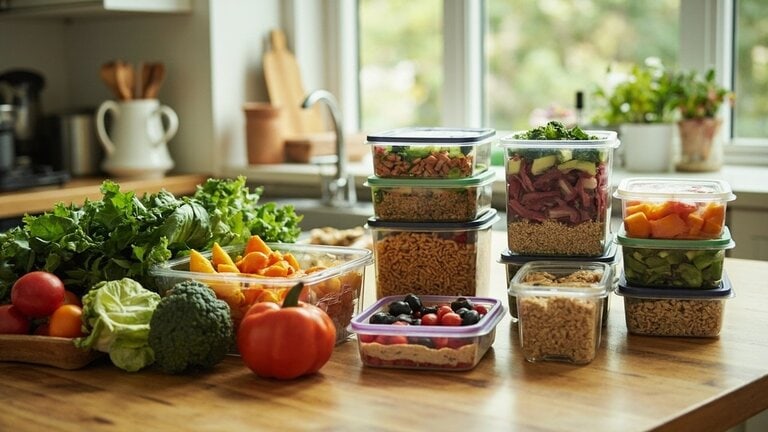
A well-stocked kitchen is half the battle on any low carb meal plan for beginners. Here is a simple shopping list that covers the 7-day menu above, organized by section.

Proteins
- Eggs (one to two dozen, depending on how many people you cook for)
- Chicken breasts and thighs
- Ground beef and ground turkey
- Salmon, cod, shrimp, and one or two other fish
- Pork chops and bacon (look for nitrate-free options if possible)
- Canned tuna in olive oil, sardines, or salmon
- Plain full-fat Greek yogurt and cottage cheese
- Cheese: cheddar, feta, parmesan, blue, cream cheese
Non-Starchy Vegetables
- Spinach, kale, romaine, mixed greens
- Broccoli, cauliflower, Brussels sprouts, asparagus, green beans
- Zucchini and yellow squash
- Bell peppers, cucumber, celery, mushrooms, onions, garlic
- Tomatoes and cherry tomatoes
- Cauliflower rice (store-bought or riced fresh in a food processor)
Fruits (in moderation)
- Berries: blueberries, strawberries, raspberries
- Apples, pears, oranges, grapefruit, kiwi
Healthy Fats and Pantry
- Extra-virgin olive oil
- Avocados
- Almonds, walnuts, macadamia nuts, pecans
- Chia seeds, hemp seeds, pumpkin seeds, flax seeds
- Almond butter or peanut butter (no added sugar)
- Olives and capers
- Marinara sauce with no added sugar
- Soy sauce or tamari, vinegar (balsamic, apple cider), mustard, mayonnaise
Smart Carbs to Keep
- Lentils and black beans (in small portions, about one-quarter to one-half cup cooked)
- Quinoa (about one-third cup cooked per serving)
- Sweet potato in small portions
- Whole-grain oats for occasional breakfasts (one-quarter cup dry)
Common Beginner Mistakes to Avoid on a Low Carb Plan
Most beginners who stall on a low carb meal plan for beginners make one or more of these five mistakes. The good news: every one of them is easy to fix once you know what to look for.

Mistake 1: Cutting All Carbs, Including Vegetables
The single biggest mistake is treating low carb like no carb. Vegetables are carbohydrates, and they are the most important source of fiber, vitamins, and minerals in any healthy eating pattern. CDC guidance recommends eating “a variety of vegetables and fruits in their original form” as part of a healthy plate. A low carb meal plan for beginners should always have at least two cups of non-starchy vegetables at lunch and at dinner.
Mistake 2: Ignoring Electrolytes in the First Two Weeks
When carbs drop, your body releases more sodium and water. That is why the scale moves quickly at the start. It is also why some beginners feel tired, dizzy, or get headaches in week one or two. The fix is simple: salt your food a bit more, drink plenty of water, and add magnesium-rich foods like pumpkin seeds, spinach, and almonds. A low carb meal plan for beginners is much smoother when electrolytes stay balanced.
Mistake 3: Loading Up on Saturated Fat and Processed Meats
Just because butter, bacon, and cheese fit the macros does not mean they should be the foundation of every meal. The CDC recommends limiting saturated fat, and the American Heart Association recommends lean proteins and healthy unsaturated fats whenever possible. Build your low carb meal plan for beginners around fish, poultry, eggs, legumes, olive oil, nuts, and seeds. Save bacon and butter for occasional flavor, not daily staples.
Mistake 4: Eating Too Many “Low Carb” Packaged Foods
The shelves are full of low-carb bars, low-carb cookies, and low-carb breads. Many of them are heavily processed, loaded with sugar alcohols, and not actually healthy. A low carb meal plan for beginners built on whole foods does not need these products. If you want something sweet, have a small piece of dark chocolate or a bowl of berries. If you want something crunchy, have nuts or seeds. Real food beats engineered food every time.
Mistake 5: Not Adjusting the Plan When Life Happens
A meal plan is a starting point, not a contract. If you travel for work, eat out with friends, or have a family birthday, your low carb meal plan for beginners needs to flex. The skill is to get back to your next meal, not to declare the whole week a failure. The DIRECT trial showed that even moderate adherence to a low-carb pattern produced meaningful weight loss over two years. Consistency over months matters more than perfection over days.
Health Considerations and When to Talk to a Doctor
For most healthy adults, a low carb meal plan for beginners is safe and effective. There are some situations, however, where you should talk to your doctor first or work with a registered dietitian.
If you have type 1 or type 2 diabetes and take insulin or other blood-sugar-lowering medication, dropping carbs quickly can drop blood sugar quickly. Your medication dose may need to be adjusted in the first few weeks. Do not skip this conversation. The same is true if you take blood pressure medication, since weight loss often lowers blood pressure and your dose may need adjustment too.
If you have kidney disease, liver disease, a history of eating disorders, or you are pregnant or breastfeeding, a low carb meal plan for beginners may need to be modified. Your doctor or a registered dietitian can help you adapt the principles above to your specific situation. The Harvard T.H. Chan School of Public Health and the CDC both emphasize that personalization matters more than any single diet pattern.
Most beginners notice meaningful changes in the first 30 days: smaller waist, more stable energy, fewer afternoon crashes, and the first few pounds lost on the scale. Track how you feel, not just the scale. Weight can fluctuate two to four pounds day to day based on water, sodium, sleep, and hormones. A weekly average tells you far more than a daily number.
Finally, if you find that you feel worse on a low carb plan, not better, that is useful information too. There is no single eating pattern that works for every body. The point of a low carb meal plan for beginners is to give your body a chance to feel different. If it does, keep going. If it does not, the Mediterranean or DASH pattern from the DIRECT trial produced nearly identical results and might suit you better.
Frequently Asked Questions
How many carbs per day should a beginner eat on a low carb plan?
Most beginners do well with 75 to 130 grams of total carbs per day. This is low enough to reduce blood sugar swings and curb hunger, but high enough to keep fruit, beans, and small portions of whole grains in your diet. You do not need to count every gram if you follow the plate method: half vegetables, one-quarter protein, and one-quarter smart carbs and fats.
Is a low carb meal plan for beginners the same as keto?
No. Keto is a stricter version of low carb that typically limits carbs to under 50 grams per day to push the body into ketosis. A low carb meal plan for beginners is more flexible and does not require ketosis. Most beginners lose weight and feel better without going that strict. Start low carb, stay there for at least four to six weeks, and only consider keto if you have a specific reason.
Can I lose weight on a low carb meal plan for beginners without counting calories?
Yes, most beginners can. By replacing refined starches with protein, vegetables, and healthy fats, hunger drops naturally and you eat fewer calories without counting them. The DIRECT trial showed that low-carb and Mediterranean groups lost more weight than low-fat groups without strict calorie counting. If the scale does not move after four to six weeks, then a simple calorie check is a useful next step.
What are the best low carb breakfasts for beginners?
Eggs in any form are the easiest. Three scrambled eggs with spinach and avocado, an omelet with mushrooms and cheese, or Greek yogurt with berries and seeds all work. Smoothies can be low carb too if you use unsweetened almond milk, a scoop of protein powder, spinach, and a small handful of berries.
Will I feel tired when I start a low carb meal plan for beginners?
Some beginners feel a few days of fatigue in the first week as the body adjusts to burning more fat for fuel. This is sometimes called the “low carb flu.” It is usually mild and resolves within five to seven days. Extra water, a pinch more salt, magnesium-rich foods like pumpkin seeds and spinach, and steady sleep make the transition much smoother.
Can I drink alcohol on a low carb meal plan for beginners?
In moderation, yes. A glass of dry red wine, a light beer, or a spirit with soda water and lime all fit. Sweet cocktails, regular beer, and mixed drinks with juice or soda do not. Alcohol also lowers your inhibitions around food, so plan your drinks the same way you plan your meals.
Related Reading
- Healthy Meal Plans For Weight Loss 2026: 7 Proven Strategies for Ultimate Success
- 7 High Protein Breakfast for Weight Loss Ideas That Work
- 7 Walking for Weight Loss 2026 Tips That Actually Work
- Best Diet Planning for Weight Loss: 7 Proven Strategies That Work in 2026
- Strength Training for Weight Loss Beginners: 7 Proven Strategies That Work in 2026
Start Your Low Carb Meal Plan for Beginners Today
A low carb meal plan for beginners does not have to be complicated. Pick a protein, pick two vegetables, add a small portion of smart carbs, and finish with a drizzle of healthy fat. Repeat that formula for breakfast, lunch, and dinner. Use the 7-day menu above as your first week and tweak from there.
The research is clear. The DIRECT trial and the JAMA meta-analysis both confirm that low carb eating patterns produce real, sustainable weight loss. The CDC, Harvard T.H. Chan School of Public Health, and the American Heart Association all recommend the same foundation: prioritize protein and vegetables, keep fiber-rich carbs in moderation, and limit added sugar and refined starches. That is exactly what a low carb meal plan for beginners looks like on the plate.
Give yourself four to six weeks. Track how you feel, not just the scale. Most beginners find that hunger drops, energy rises, and the first 5 to 10 pounds come off without the calorie-counting grind. Once you see the pattern working, the plan runs itself.
Sources:
- Centers for Disease Control and Prevention — How to Have Healthier Meals and Snacks (April 29, 2026)
- Harvard T.H. Chan School of Public Health — Carbohydrates
- American Heart Association — Carbohydrates
- Shai I et al., NEJM 2008 — Weight loss with a low-carbohydrate, Mediterranean, or low-fat diet
- Tobias DK et al., JAMA 2018 — Low-Fat vs Low-Carbohydrate Diets and Weight Loss